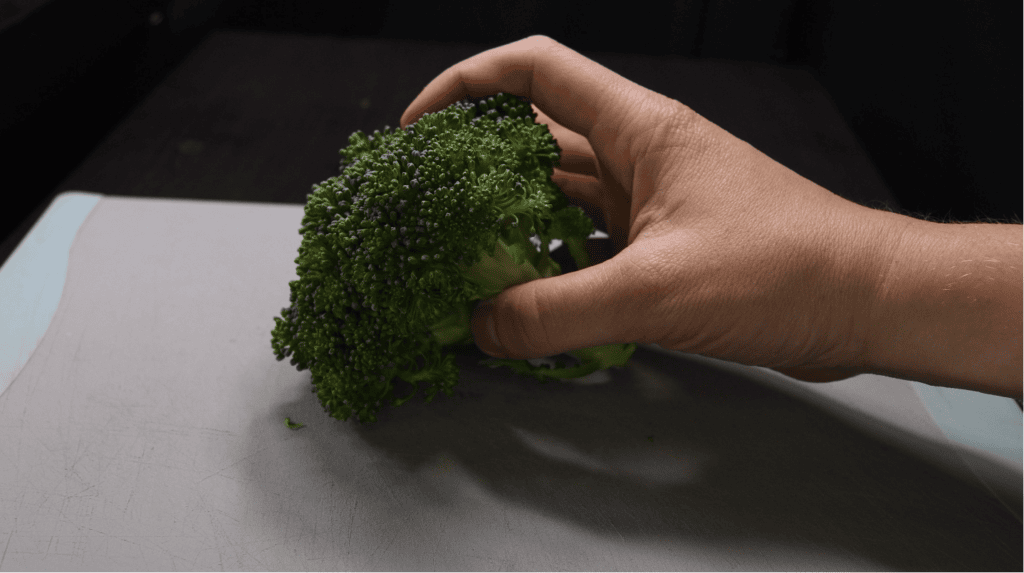
The broccoli head in your hand started as a seed barely bigger than a grain of sand. No greenhouse, no garden bed — just a pot, a bag of substrate and a little over three months of patience. This is exactly how I grew broccoli from seed to harvest, with the substrate, watering, feeding and light that actually worked, plus the day-by-day timeline so you know what “normal” looks like at every stage.
It all starts with a seed the size of a pinhead
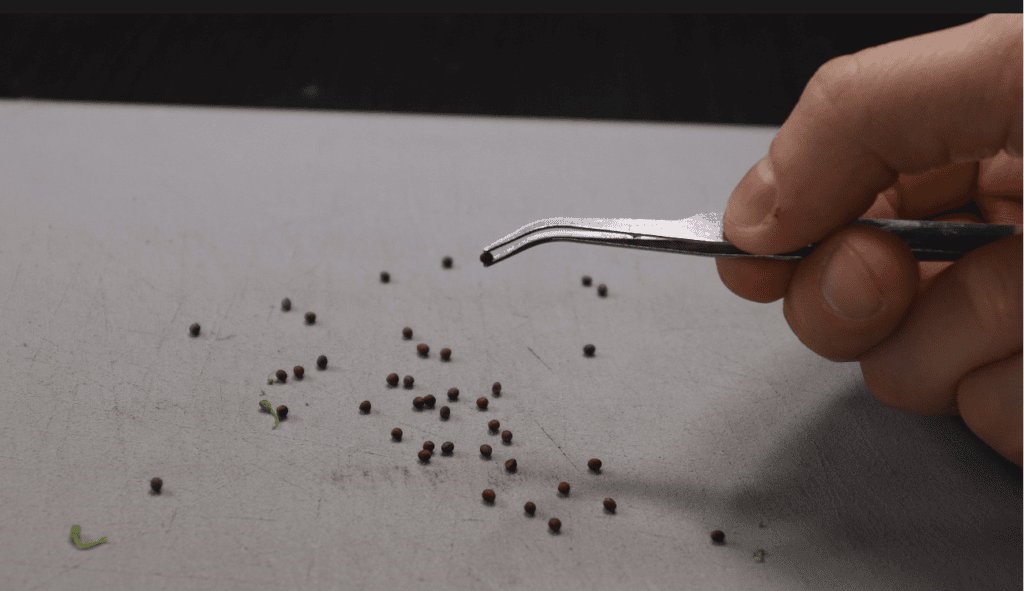
Did you know broccoli is just one face of a single plant species? Brassica oleracea — the same wild cabbage — was bred over centuries into broccoli, cauliflower, kale, kohlrabi and Brussels sprouts. They are all the same species, simply pushed in different directions by growers. The seeds are nearly identical: small, round and dark brown, only about two millimetres across. That pinhead is where the whole head comes from.
The right substrate for broccoli
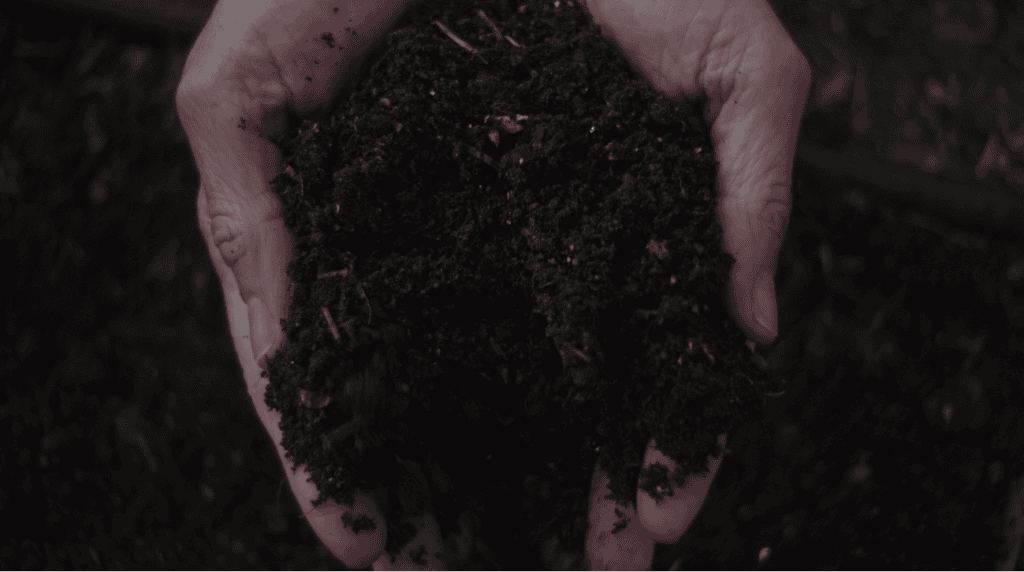
Broccoli is a heavy feeder with a shallow, spreading root system, so the substrate has to do two opposite jobs at once: hold moisture and nutrients, but never stay soggy. The mix I used is a loose blend of coco coir for water retention, perlite for drainage and a little bark for structure, enriched with compost. If you buy a bag, a quality general-purpose potting mix with added compost works fine — just make sure it is loose enough to crumble in your hand, not a dense, claggy block.
Drainage and pH
Use a pot with drainage holes — broccoli hates wet feet and will rot or stall if water pools at the bottom. Aim for a slightly acidic to neutral substrate, roughly pH 6.0 to 7.0. That range keeps nutrients available and, as a bonus, makes life harder for clubroot, the classic brassica disease. The perlite and bark in the mix below are doing the drainage work you can see as the light-coloured specks.
Sowing the seeds
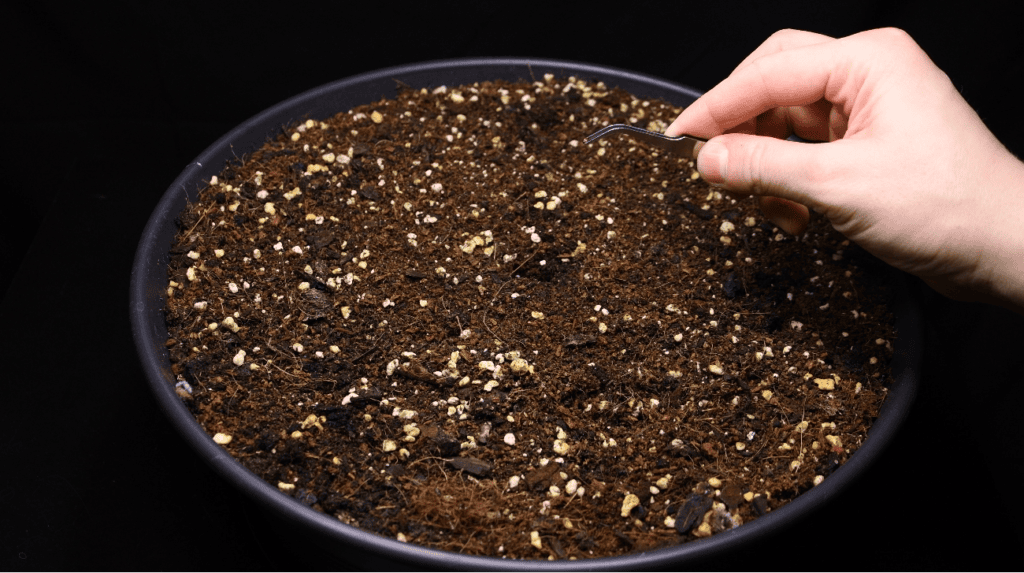
Sow shallow. Broccoli seeds only need to sit about one centimetre deep — press them in, cover lightly and firm the surface so the seed makes good contact with the substrate. If you are sowing several, space them out and thin to the strongest seedling later; one healthy plant per pot beats five crowded ones fighting for the same root space. Keep the substrate warm and the first sprouts usually break through within a week or so.
Watering: little and often
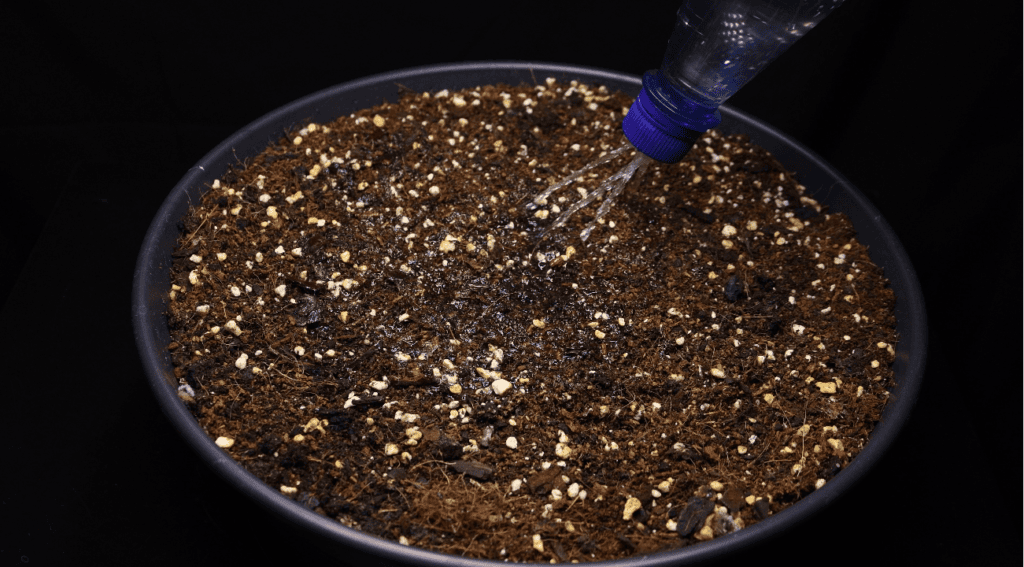
A broccoli head is mostly water, and the plant wants it steady. The rule is even moisture, never drought and never swamp. Let the top of the substrate dry slightly between waterings, then water deeply at the base until it drains through. The single biggest mistake is letting the pot dry out completely: stress from drought makes broccoli bolt early or form small, bitter heads. Water at soil level rather than over the leaves to keep fungal problems down.
Light and temperature
Broccoli is a sun lover and a cool-weather crop at the same time — that combination is the key to getting a real head. Give it as much direct light as you can, ideally six or more hours a day, or a strong grow light if you are indoors. On the temperature side it is happiest somewhere around 15 to 21 °C. Sustained heat is the enemy: when it gets too warm the plant “buttons” (forms a tiny premature head) or bolts straight to yellow flowers, skipping the part you actually want to eat.
Feeding: broccoli is hungry
This is where broccoli rewards effort. It is a genuinely heavy feeder, so plan to fertilise every two to three weeks once the seedling is established. In the early leaf-building phase it wants nitrogen — that is what powers the big, broad leaves you will see. Once the central head starts to form, ease off the nitrogen and shift to a more balanced feed. Too much nitrogen late on gives you a lush, leafy plant with a loose, disappointing head instead of a tight one.
Germination and the first weeks
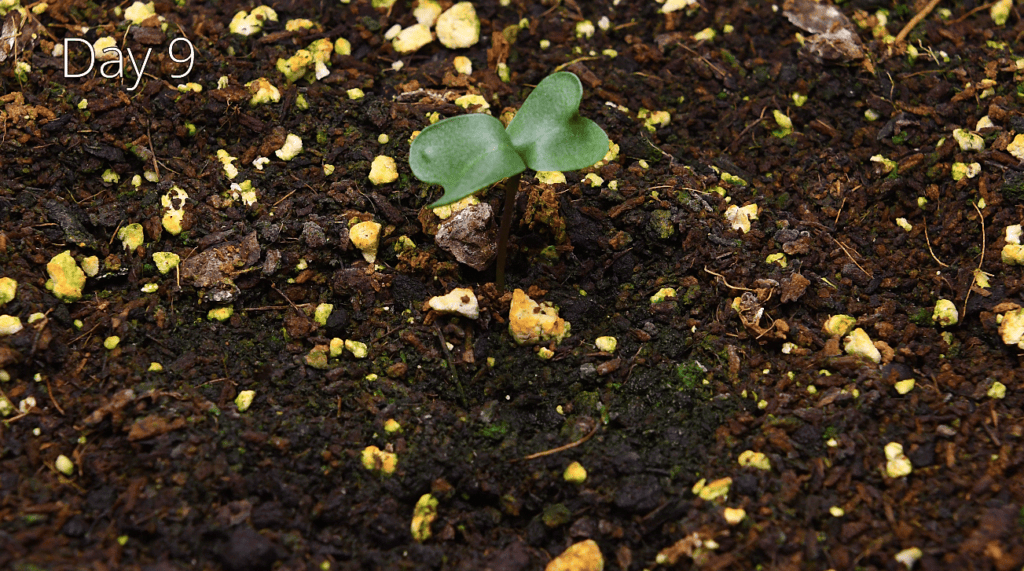
By day 9 the first seedling pushed through with its two heart-shaped seed leaves — the cotyledons. These are not the plant’s real leaves; they are the seed’s packed lunch, fuelling the seedling until proper leaves take over. From here the job is simple: bright light, steady moisture and a little patience.
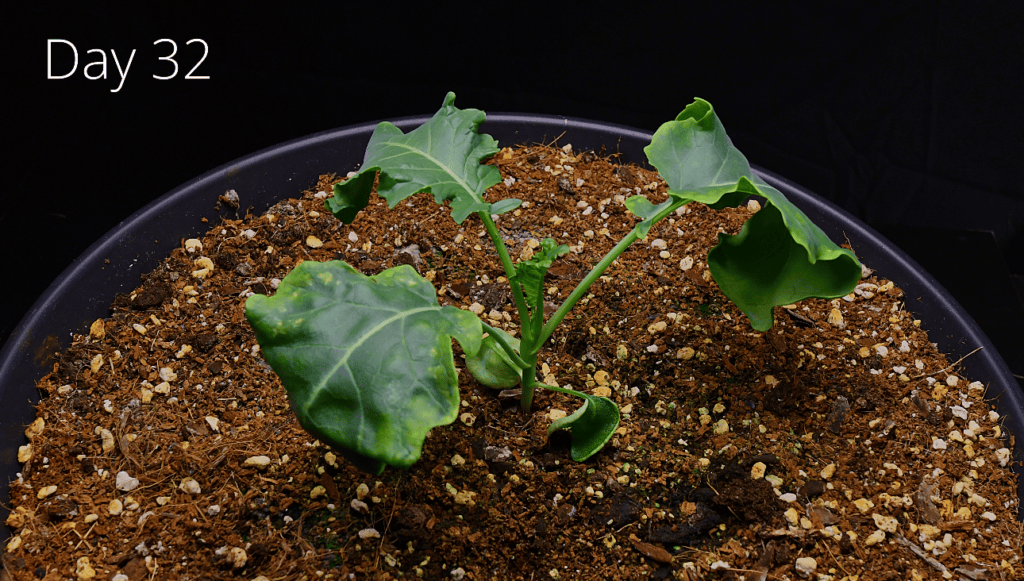
By day 32 the true leaves had taken over — broad, slightly ruffled and unmistakably brassica. This is the leaf-building stage where that early nitrogen pays off. No head yet; the plant is just stocking up on the solar panels it needs to power one later.
From leafy giant to the first head
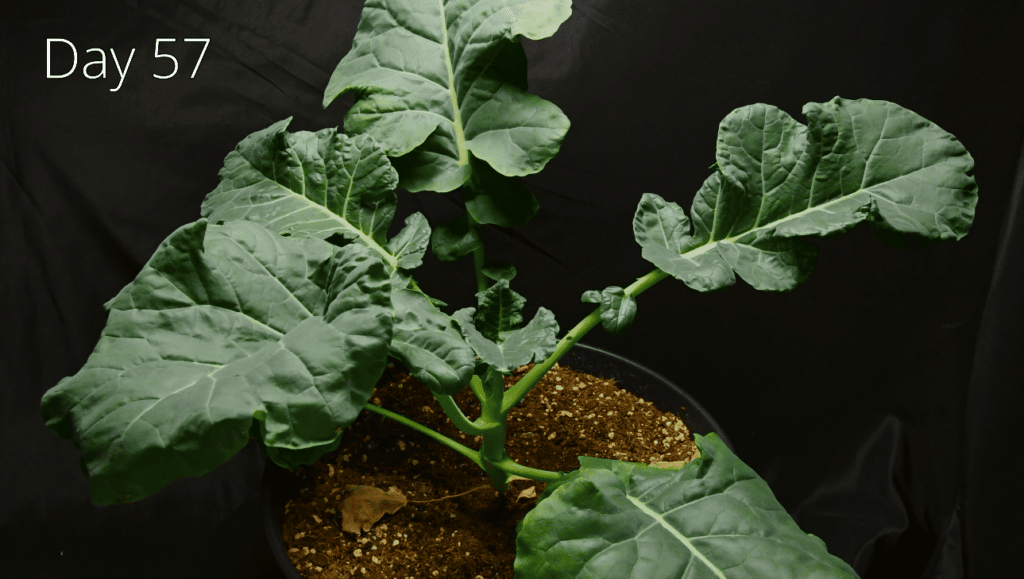
By day 57 the plant was a leafy giant, far bigger than most people expect from “a broccoli”. This is normal and necessary — broccoli builds the factory before it builds the product. It can be unnerving to wait this long with nothing edible in sight, but the leaves are doing exactly their job.
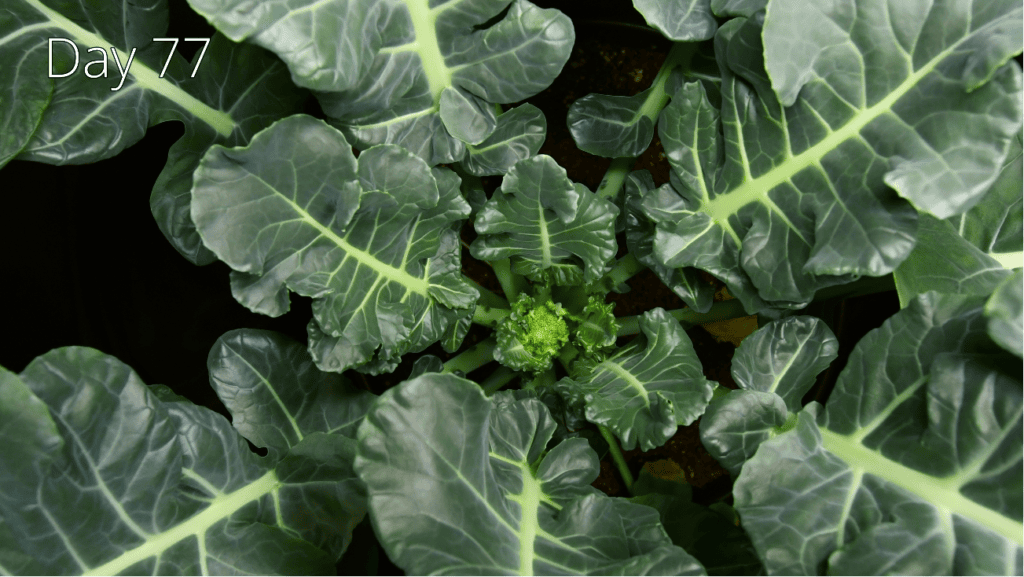
Then, around day 77, the payoff finally appeared: a small green head emerging from the centre of the rosette. Here is the fact that surprises most people — that “head” is not a vegetable in the usual sense. It is a tight cluster of hundreds of unopened flower buds. You are eating the broccoli before it blooms.
Harvest: timing is everything
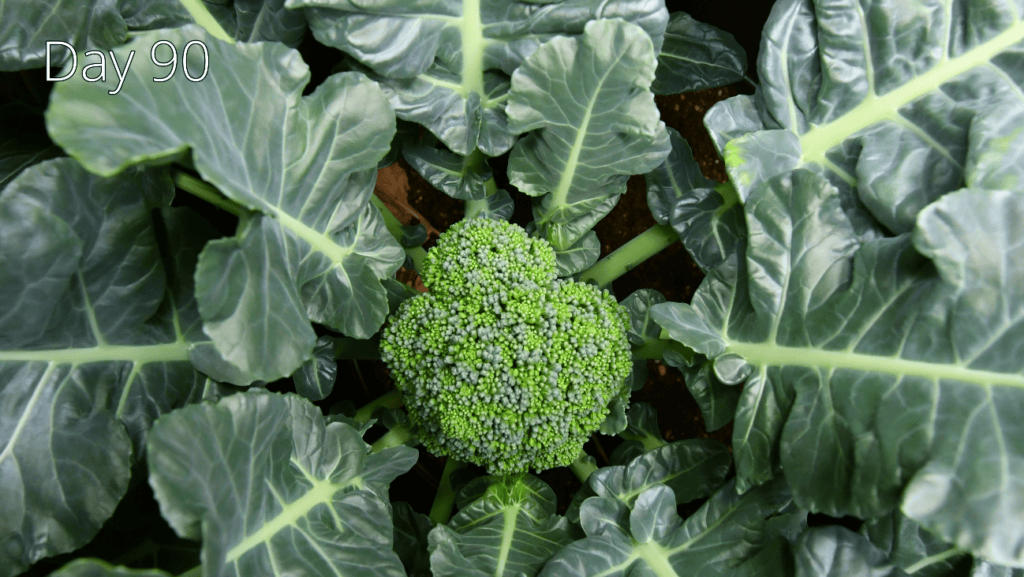
By day 90 the head was full, tight and deep green — exactly the moment to harvest. Timing matters more than size here. Harvest while the buds are still closed and firm; if you wait too long they loosen, turn pale and burst into yellow flowers, and the head goes bitter. When in doubt, cut early rather than late.
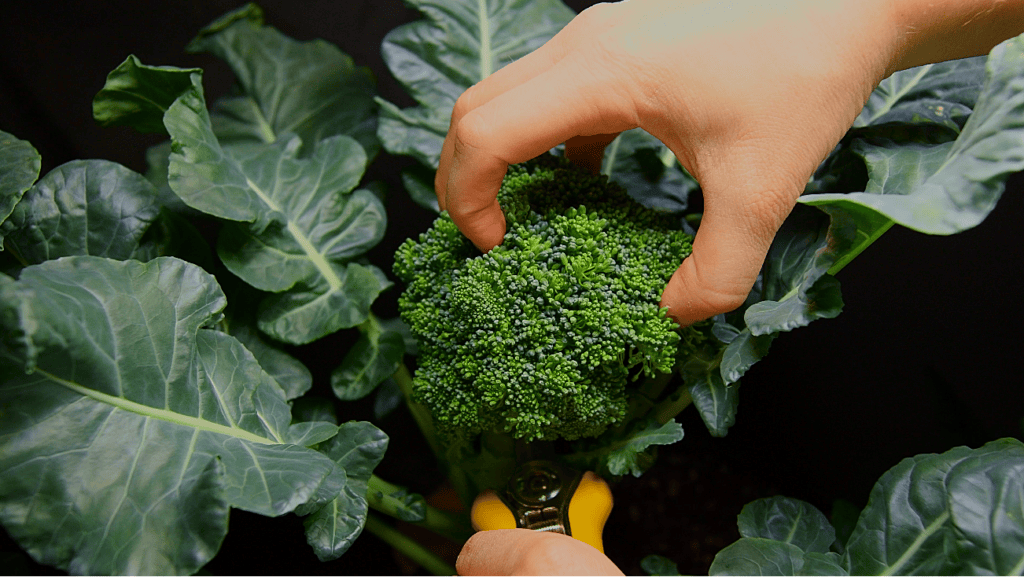
Cut the main head with a clean diagonal slice a few centimetres below it, leaving the plant in place. Here is the bonus most people miss: don’t pull the plant. After the main head, broccoli pushes out smaller side shoots from the leaf joints, giving you a second, smaller harvest over the following weeks. One seed, one main head, and then a little extra.
Watch the full timelapse
The whole journey from that single seed to a full head, compressed into one timelapse.
Frequently asked questions
How long does broccoli take to grow from seed to harvest?
In this grow the first head was ready around day 90 — roughly three months from seed. The seedling emerged by day 9 and spent most of that time building leaves before forming a head.
What is the best soil for growing broccoli?
A loose, fertile, well-draining mix — coco coir or quality potting soil enriched with compost, plus perlite for drainage. Aim for pH 6.0 to 7.0 and always use a pot with drainage holes.
Why is my broccoli growing leaves but no head?
Usually too much heat or too much nitrogen late in the cycle. Broccoli is a cool-weather crop; warmth makes it button or bolt, and excess nitrogen pushes leaves at the expense of the head. Keep it cool and switch to a balanced feed once the head starts.
Can you harvest broccoli more than once?
Yes. After cutting the main central head, leave the plant in place — it produces smaller side shoots from the leaf joints for a second harvest over the following weeks.
One seed, one head
From a two-millimetre seed to a full head in about ninety days, with nothing more exotic than the right substrate, steady water, a hungry feeding schedule and plenty of light. If you want to try something from the same family next, the obvious step up is cauliflower — or its hypnotic, fractal cousin, Romanesco. Which one should I grow from seed next?