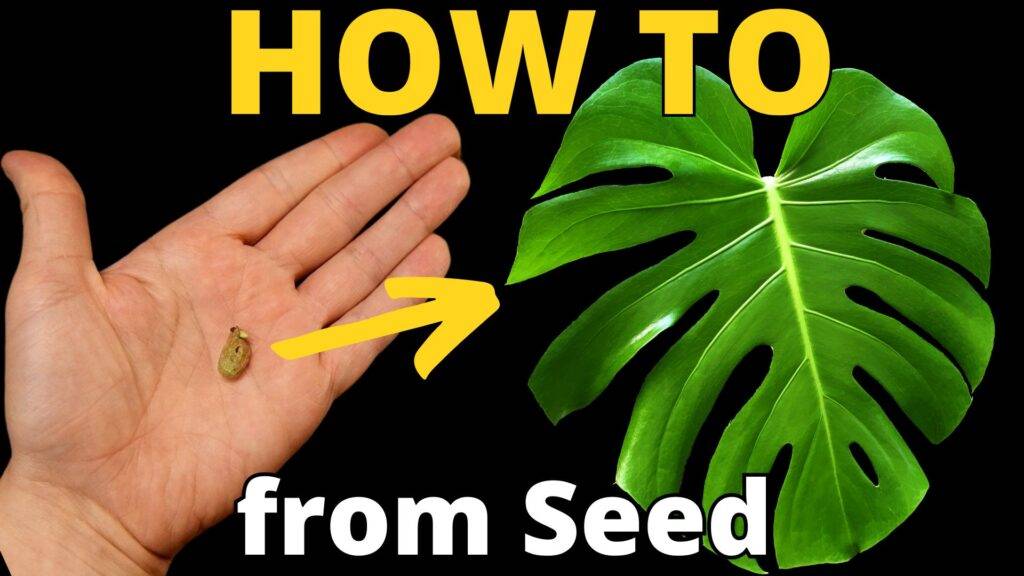
TL;DR
Growing a Monstera deliciosa from seed is slow but incredibly rewarding. I used fresh seeds, sphagnum moss for germination, and later transplanted the seedlings into an aroid soil mix. Keep humidity high, temperature warm (21–29 °C), and be patient – germination can take up to 3 weeks. The first true leaves appeared after about 4 weeks, and by day 75 the plants had two leaves and their first aerial roots. 🌿
Why I Decided to Grow Monstera From Seed
Monsteras are my absolute favourite houseplants – but until recently I’d never tried growing one from seed. Propagation by cuttings is fast and convenient, but I wanted to experience the full life cycle and document it for myself and anyone curious about this slower, more immersive process.
Getting Started: Finding Fresh Seeds
The first hurdle was sourcing viable seeds. Freshness is key – old Monstera seeds lose viability quickly. I was lucky to get recently harvested ones that were still greenish and plump. I got mine from plnts.com.
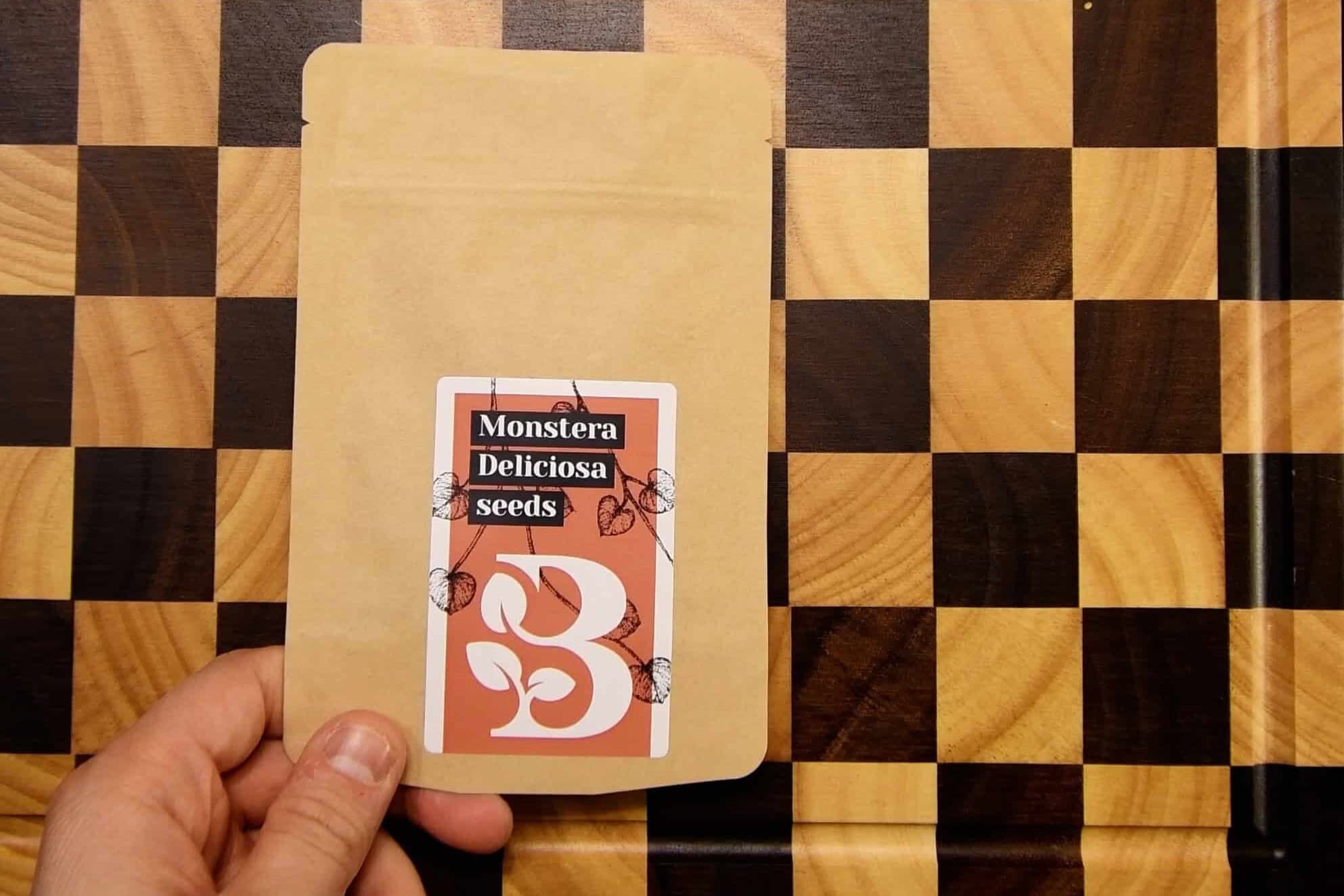
I bought 5 seeds, which looked like this:
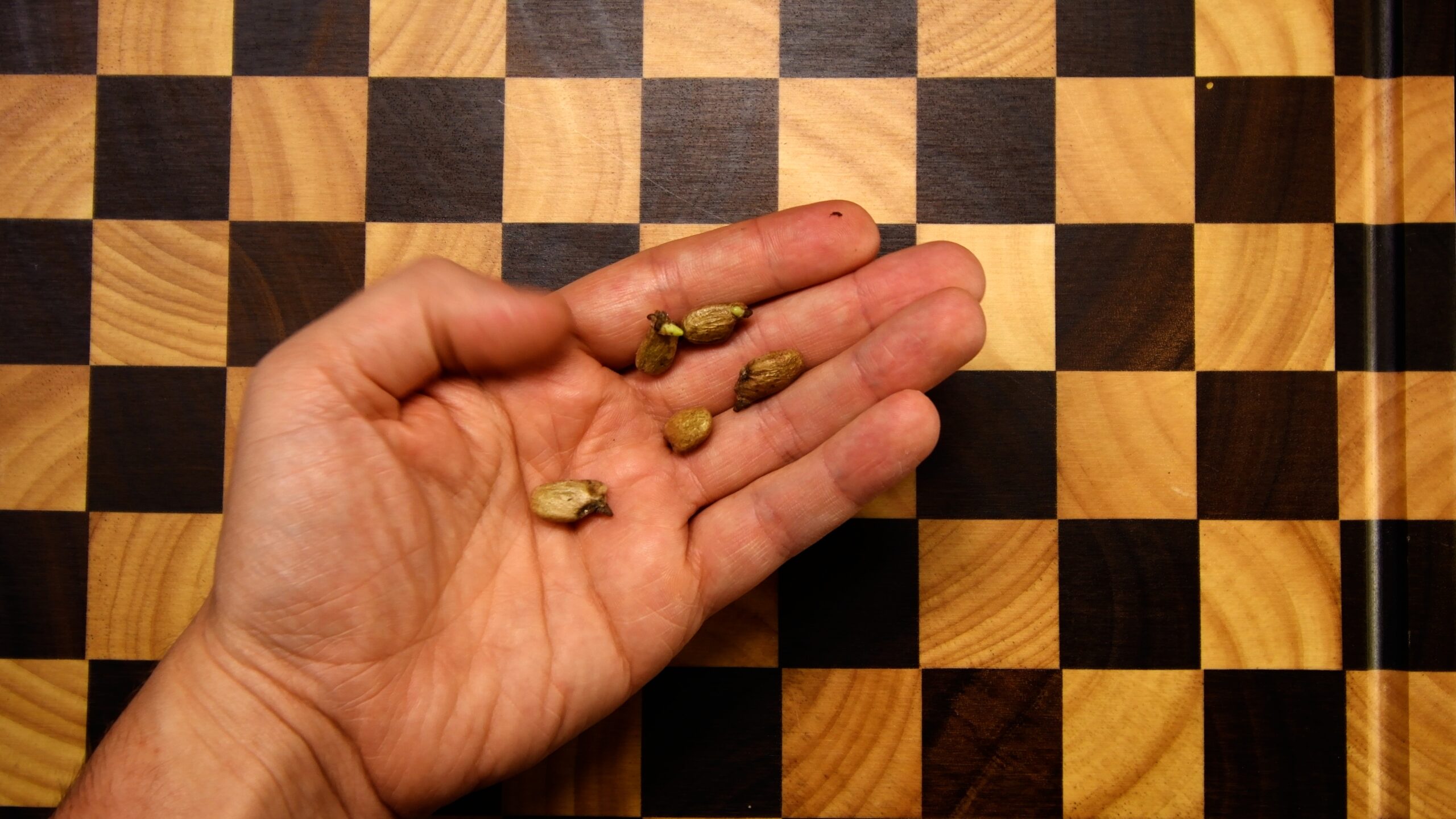
You can already see where the roots would start to grow from.
Germination: Why I Chose Sphagnum Moss
Rather than planting directly into soil, I used moist sphagnum moss. It’s light, holds moisture well, and allows good airflow – all of which help prevent rot and promote root development.
Here’s what I did, step by step:
- Soaked the seeds in warm water for 24 hours.
- Prepared damp sphagnum moss and spread it into a shallow tray.
- Placed the seeds on top and gently covered them with a thin moss layer.
- Covered the tray with plastic wrap to create a humid microclimate.
- Put it in a warm, bright (but not sunny) spot, under a plant lamp (lamp #1 from my equipment overview).
After about 3 weeks, the first little sprouts poked out! 🌱 Here’s how they looked:
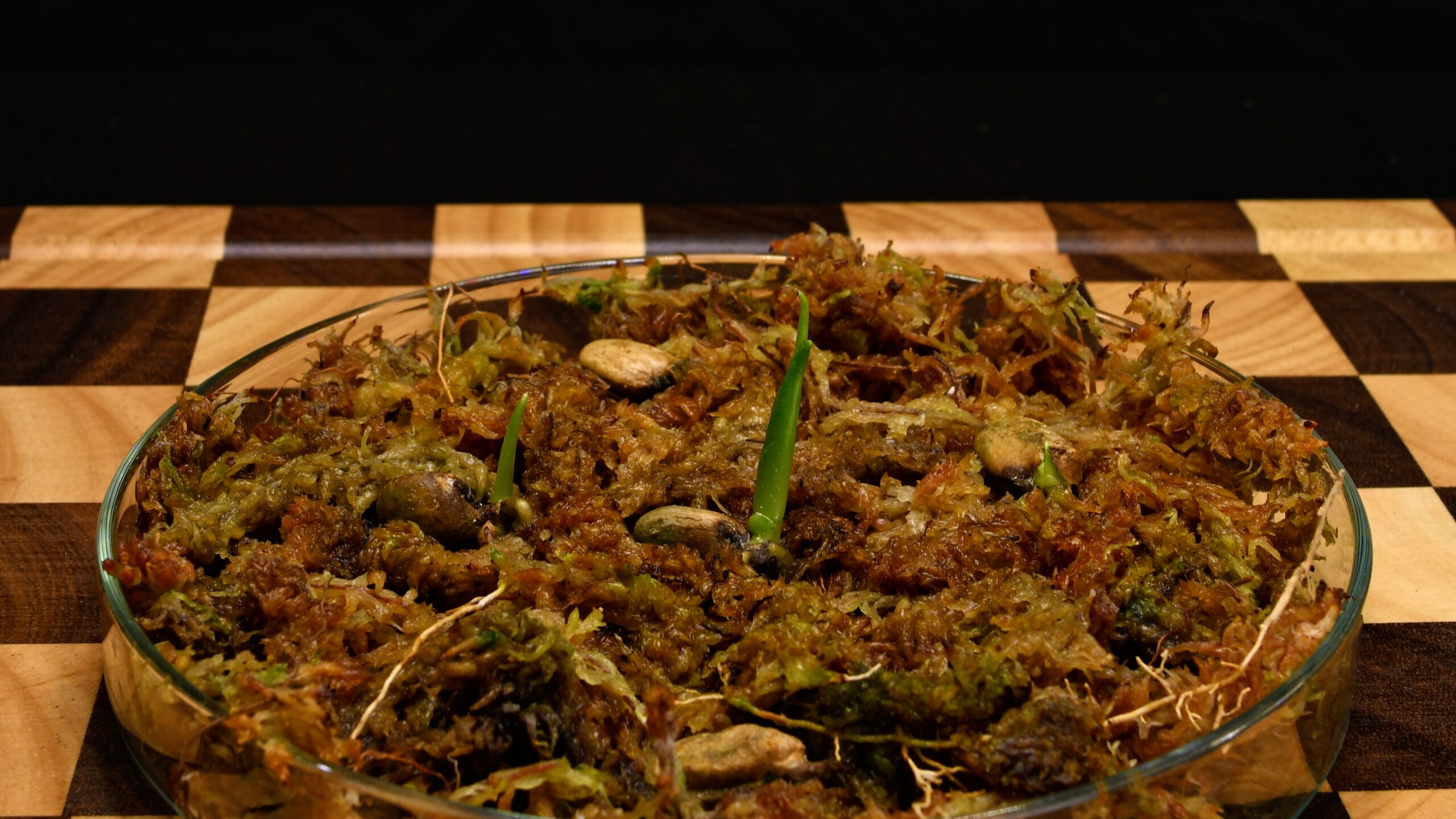
One had already started to grow a little leaf – HYPE!
Transplanting the Seedlings
Once the first true leaves appeared, I transplanted the strongest seedlings into small pots filled with my go-to aroid mix:
- Orchid bark
- Perlite
- Pine bark or coco coir
- A bit of worm castings
This mix ensures good drainage and airflow around the young roots.
Growth Over Time
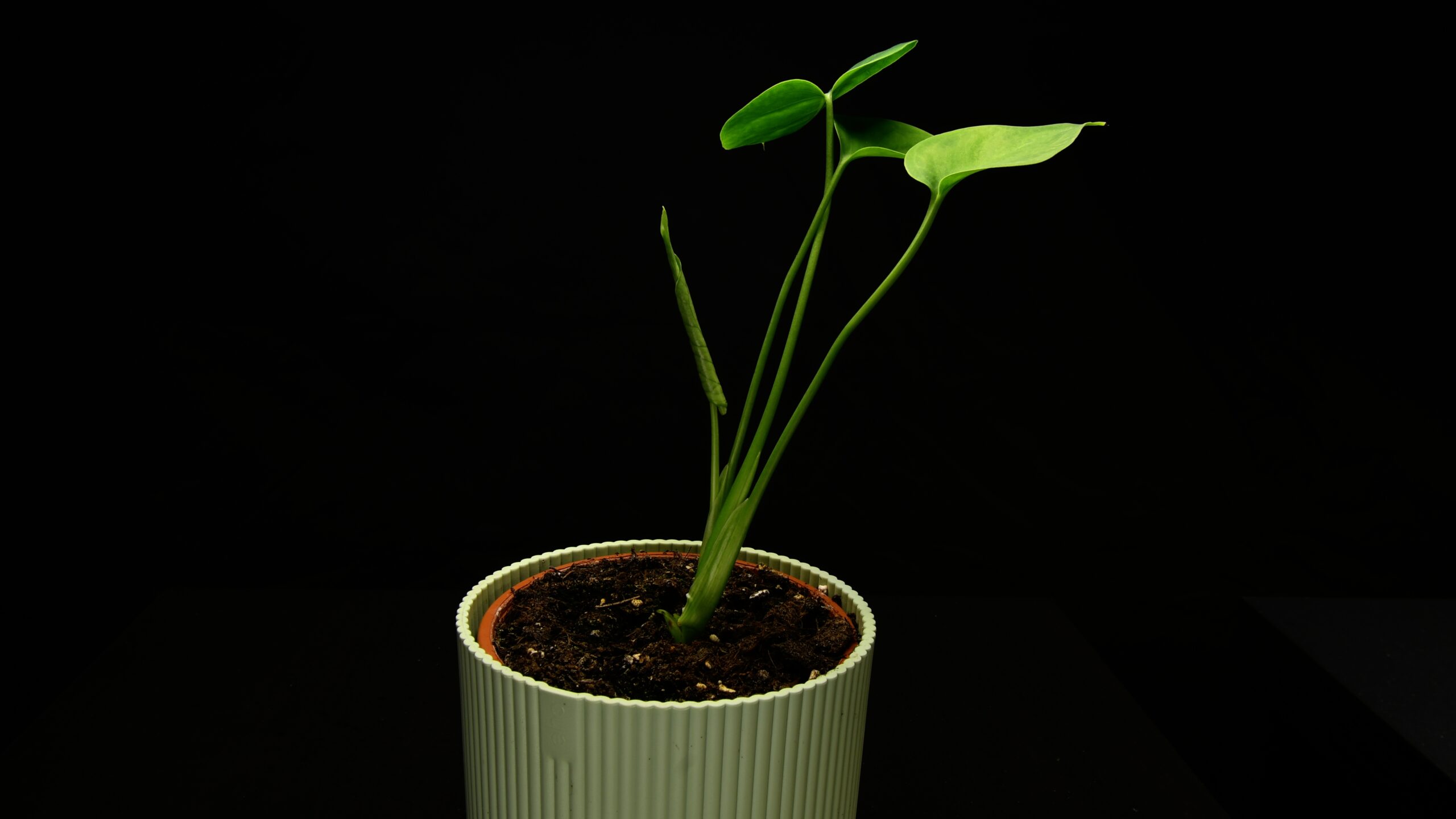
The plants quickly took off – especially one seedling, which grew faster than the rest. I documented the whole journey as a timelapse, and you can literally see the plants reaching toward the light, adjusting and growing. It’s magical.
After 75 days, each plant had at least two leaves and the first aerial roots began forming. That was my cue to settle into regular care and prep them for the long term.
Quick Reference Table
| Factor | Optimal Condition / Tip |
|---|---|
| Light | Bright, indirect sunlight. Avoid direct sun during early growth stages. |
| Humidity | 70–90% during germination. Use a humidity dome or plastic cover to retain moisture. |
| Temperature | 21–29 °C (70–85 °F). Consistent warmth is key for successful germination. |
| Soil | Well-draining aroid mix: orchid bark, perlite, coco coir or peat, and a bit of worm castings. |
| Medium for germination | Moist sphagnum moss. High humidity, good airflow and excellent water retention. |
| Fertilizer | None for seedlings. After 4–6 weeks, start with a diluted balanced liquid fertilizer (about ¼ strength). |
| Watering | Keep moss/soil slightly moist, never soggy. Let the top layer dry slightly before rewatering. |
| Repotting | Transplant when the first 1–2 true leaves have formed and roots are strong enough. |
Final Thoughts
Growing Monstera from seed is definitely slower than propagation – but watching those first sprouts push through the moss and slowly turn into full plants is totally worth it. If you want the full care side of things, check out my complete monstera care guide.
If you’ve ever thought about trying this yourself, I highly recommend it: be patient, stay consistent and celebrate the tiny milestones. Want to see how it grew in timelapse? Here’s the video:
Frequently asked questions
With fresh seeds in warm, humid conditions, sprouts usually appear in about 1 to 3 weeks. The first true leaves follow a few weeks after that. Mine had two leaves and aerial roots by day 75.
Monstera seeds lose viability very quickly, so buy recently harvested ones that are still greenish and plump from a reputable seller. Old, dried-out seeds often simply will not sprout. I got mine from plnts.com.
Only if you have a genuinely ripe Monstera deliciosa fruit, which is rare in shops, and you sow the seeds while they are still fresh. Dried seeds from packets that have sat around for a long time rarely work.
A while. Seedlings start with small, entire heart-shaped leaves, and the iconic splits and holes only develop as the plant matures with good light, often after 1 to 2 years.
Further Reading on Monstera
- How to Grow Swiss Cheese Plants (Monstera) – Royal Horticultural Society
- Monstera deliciosa plant profile – RHS
More Plant Projects You Might Like
- The Complete Monstera Care Guide – soil, light, watering, propagation and repotting.
- Avocado Bonsai from Seed – another patient grow from a single seed.
- Pomegranate Bonsai from Seed – a tiny tree for the windowsill.
Thanks for reading and happy growing! 🌿💚