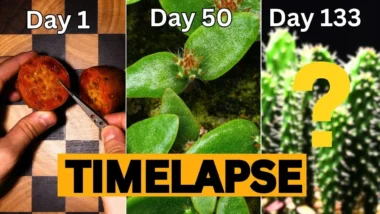
TL;DR (quick summary)
- You can grow a mango tree from seed using just the pit from a supermarket mango.
- The trick: the hard pit is a husk — open it and take out the actual seed inside.
- Germinate the seed halfway in water, then move it to a well-draining soil mix.
- No greenhouse needed — I grew this on a shelf with a grow light, soil and water.
- The full 365-day timelapse, the surprising red leaves, and care tips are all below.
Did you know there’s a whole tree hiding inside a mango? I grew one from a single supermarket seed, on a shelf next to my desk, and filmed the whole thing for 365 days. No greenhouse, no garden, no tropical climate — just light, soil, water and a lot of patience. Here’s exactly how to grow a mango tree from seed, step by step.

Finding the seed (it’s not the pit)
First you have to find the seed — and it’s buried deeper than you’d think, past the skin, past the flesh, past everything that actually tastes good. So you start carving, slice by slice, working through the flesh. You’ll know the moment you hit it: your knife just stops. That’s the pit.
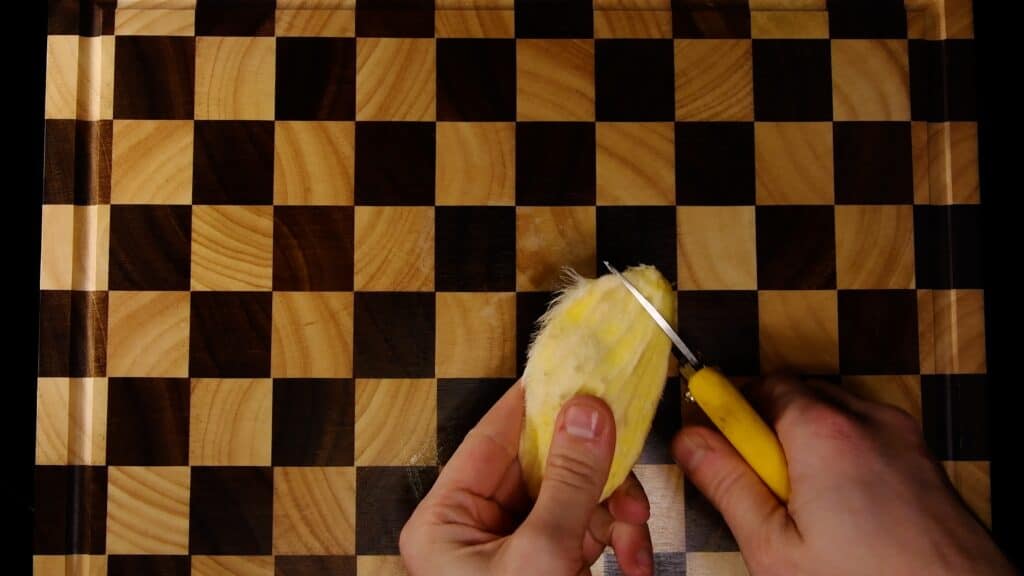
But here’s the part most people miss: this hard, woody pit isn’t the seed yet. It’s just the shell. If you carefully cut it open along the edge, you’ll find the actual seed tucked inside.
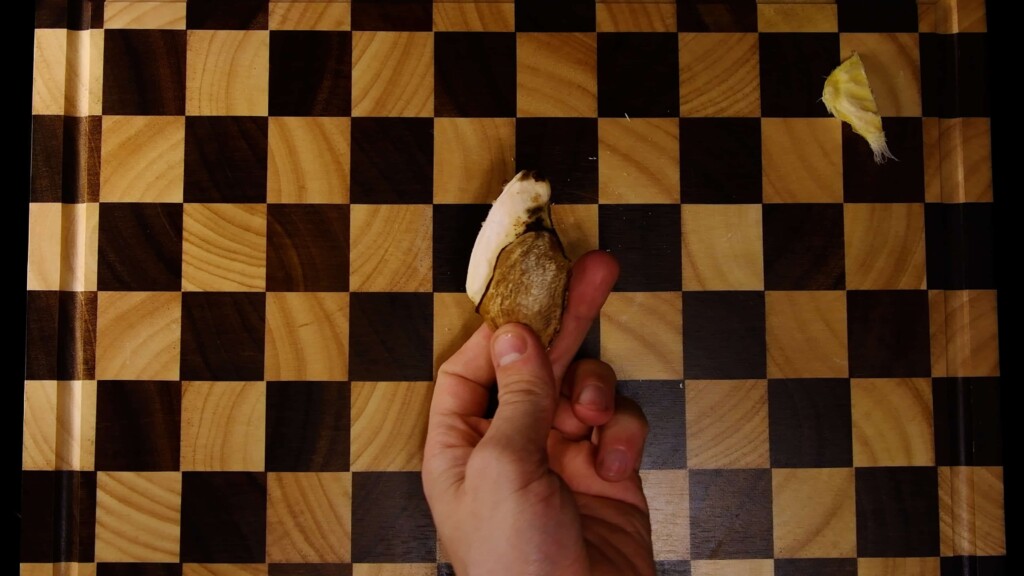
Taking the seed out of its husk is the single best thing you can do to speed up germination. Left inside the woody shell, it can take forever (or rot). Freed from it, it gets going much faster.
Germinating the mango seed in water
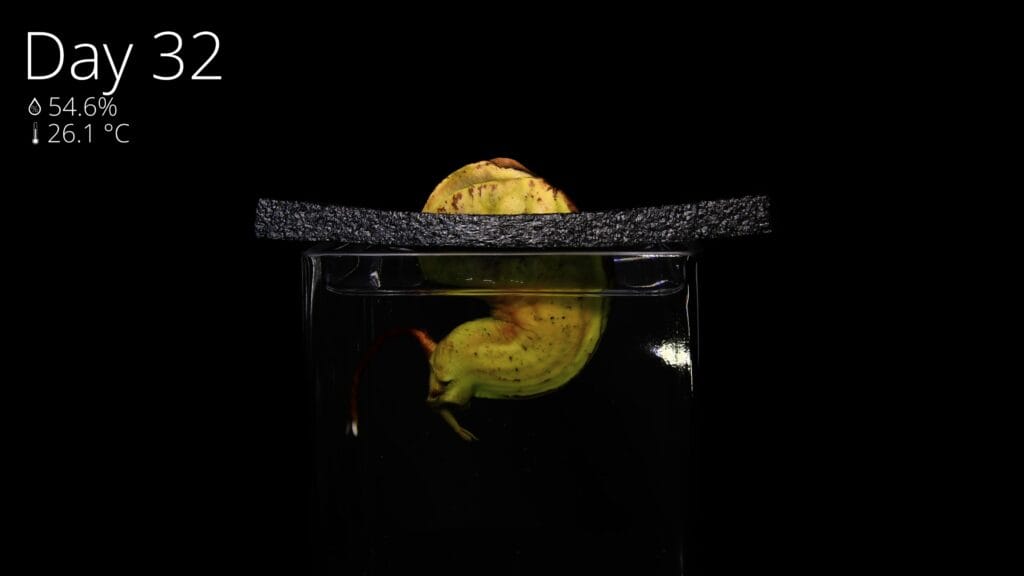
I took the seed out and set it halfway into water to see if it would germinate — the bottom in the water, the top dry. Then I set up the camera, pressed record, and let the timelapse do the rest.
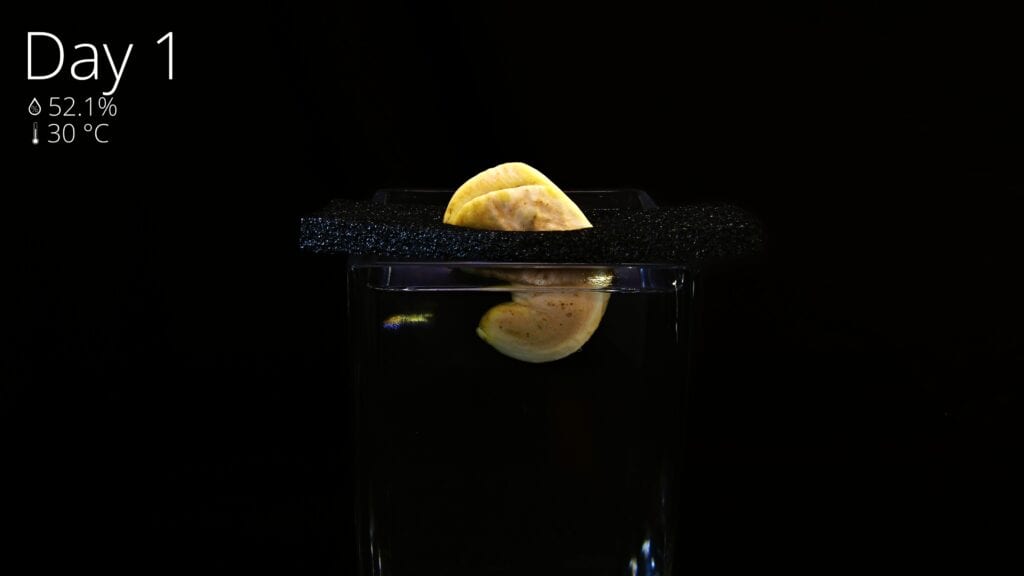
For the first few days: nothing. Then a root, reaching downward. And slowly something else started growing too — a little stem, right there underwater. That was my sign to move it into soil.
Moving the seedling into soil
I tucked it into a loose mix of potting soil, perlite and a bit of coco coir — airy enough for those young roots to breathe. Then a good soak, and now we wait.
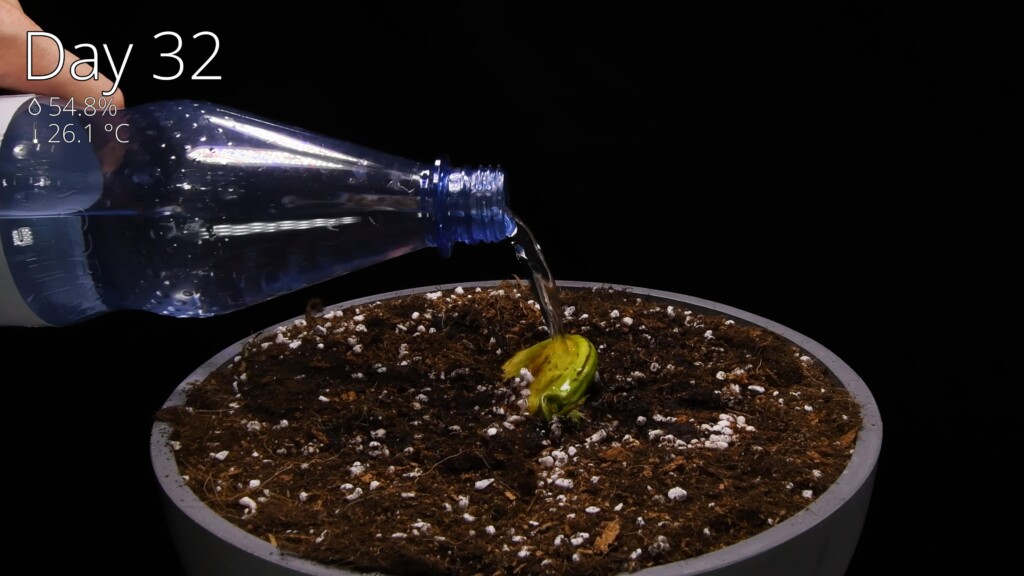
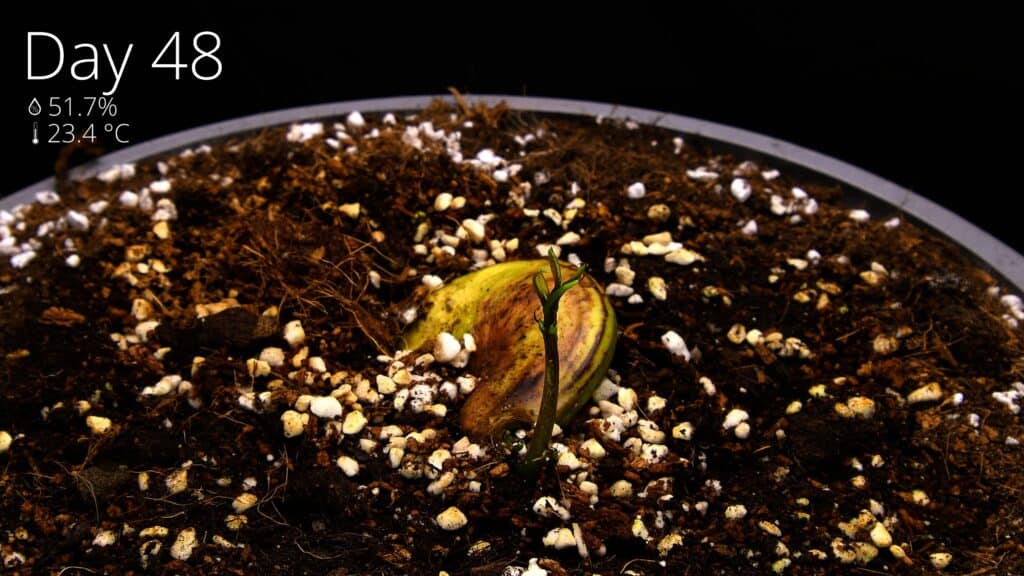
At first, not much happens. The stem just sits there, getting used to its new home. But then it takes off — shooting upward like it suddenly remembered it had places to be.
The red leaves nobody warns you about
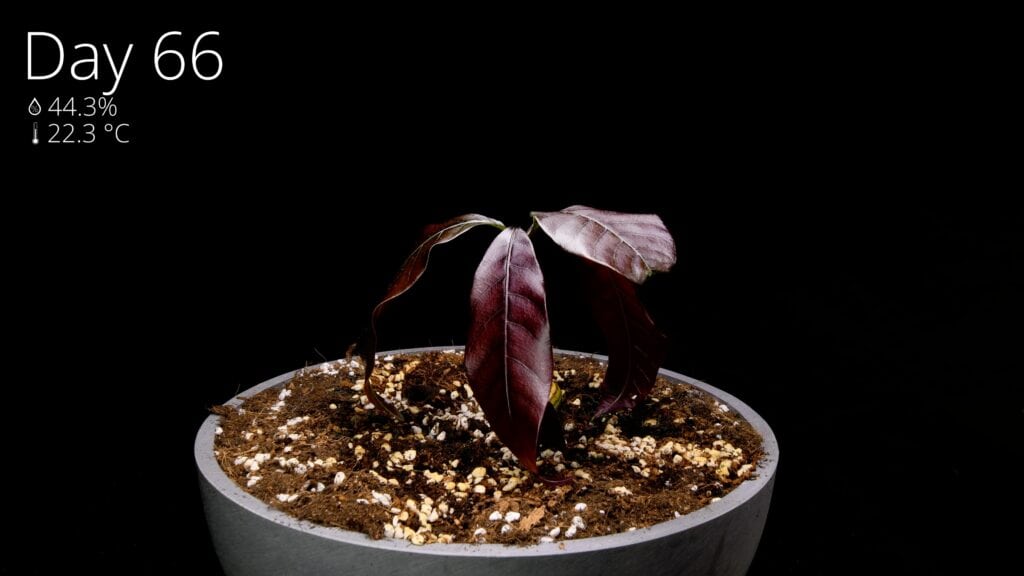
And here’s the thing I really didn’t expect: the first leaves weren’t green. They came in a deep, glossy red, almost like wine. For a few days the whole plant looked like something out of a different season entirely — until that red slowly faded and the green took over. If your mango seedling does this, don’t panic: it’s completely normal.
Leaf by leaf, week by week
Then came the rhythm. Week after week, a new set of leaves would appear — and each one was bigger than the last, like the plant was actively trying to outdo itself. I’d walk past the shelf and think: wait, was that one there a few days ago?
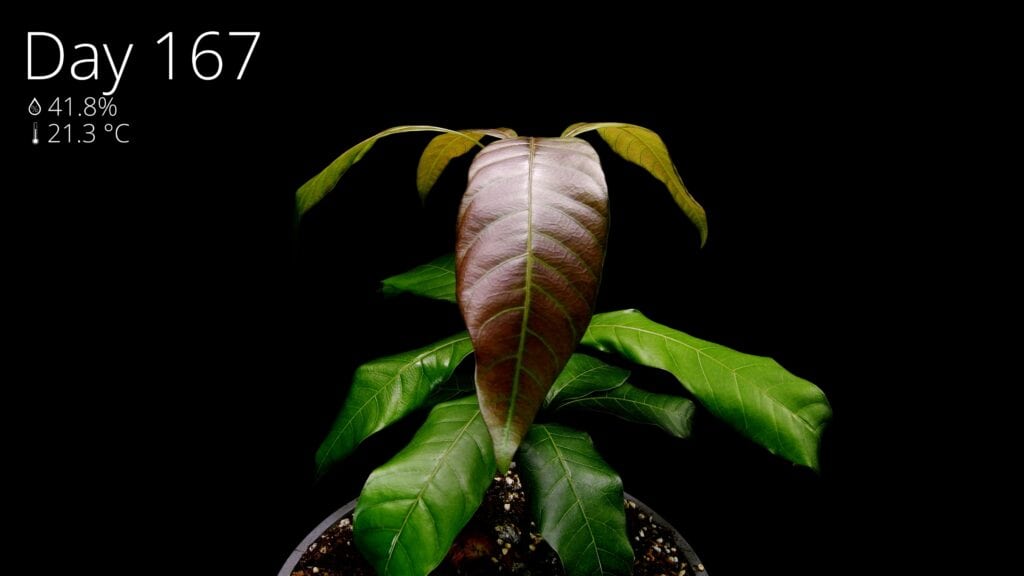
The setup, meanwhile, was almost embarrassingly simple. A grow light standing in for the sun. A well-draining soil mix I never changed. And water — just whenever the top layer felt dry. No fertilizer schedule, no humidity tent, no carefully calibrated temperature, no whispered words of encouragement. Just light, soil, water and time.
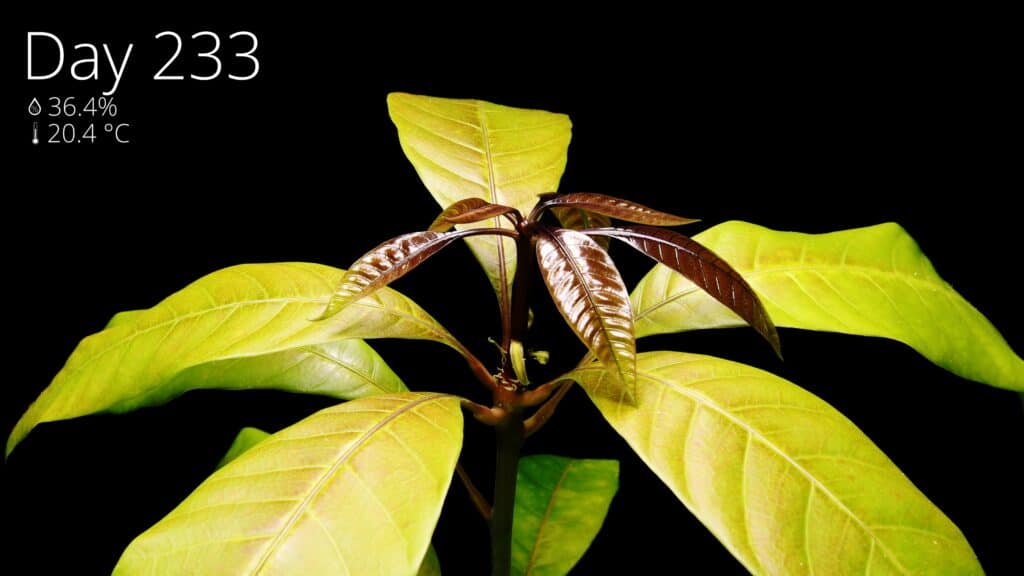
One seed, one shelf, one year later
Here’s the part that still amazes me. I have no greenhouse. No garden. No tropical climate outside my window — I live in a place where mangoes definitely do not grow. No expensive equipment, no horticultural background, no special tricks. Just a seed I almost threw away, a shelf next to my desk, and a lot of patience.
But somehow, leaf by leaf, week by week, the thing kept going. The stem got thicker, and one day I looked over and realized: that’s not a houseplant anymore. That’s a small tree.
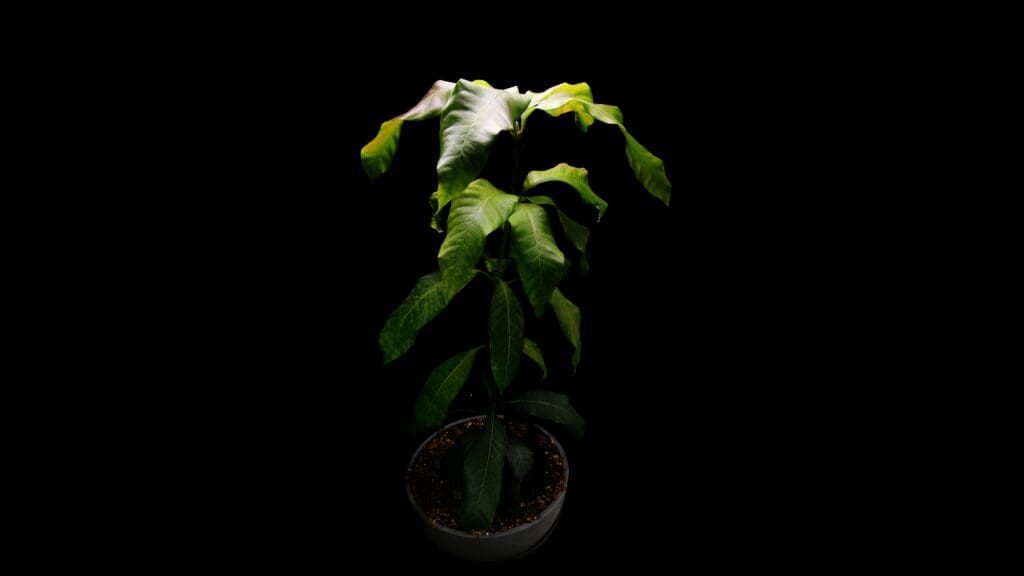
Watch the full 365-day mango timelapse
365 days of filming, one seed, one shelf and one very patient camera — here’s the whole journey in a few minutes:
Growing conditions for a mango from seed
- Substrate: a loose, well-draining mix of potting soil, perlite and a bit of coco coir. Mangoes hate soggy roots.
- Light: lots of it. A grow light works fine indoors — aim for bright light most of the day.
- Watering: water when the top layer of soil feels dry. Don’t keep it constantly wet.
- Temperature: warm and stable. Mangoes are tropical and dislike cold, draughty spots.
- Patience: the most important ingredient. Growth comes in flushes, with quiet weeks in between.
Frequently asked questions
Germination takes a few weeks, and within the first year you’ll have a small tree with several flushes of leaves — this timelapse covers 365 days. Fruiting from a seed-grown mango, however, can take many years and isn’t guaranteed indoors.
It helps a lot. The hard, woody part you hit with your knife is the husk, not the seed. Carefully opening it and removing the actual seed inside speeds up and improves germination.
Yes. I grew this one on a shelf with just a grow light, a well-draining soil mix and water when the top layer felt dry — no greenhouse, garden or tropical climate needed.
That’s completely normal. Many mango seedlings push out new leaves in a deep red or wine colour, which gradually turns green as the leaves harden off.
Possibly, but it takes many years and the right conditions, and seed-grown mangoes don’t always fruit true to the parent. Most people grow them as beautiful houseplants rather than for fruit.
Want to read more?
For more detail on mango care and pruning, the mango guide is a solid reference.
If you enjoyed this mango grow, you might also like
- Growing an avocado bonsai from seed — another supermarket-seed project.
- Growing a pomegranate bonsai from seed.
- Growing an oak tree from an acorn.