TL;DR – Germinate a Mango Seed in Water
- You can germinate a mango seed in water using a ripe supermarket mango – it just takes patience.
- Clean the kernel, open the hard husk, then sprout the inner seed in a glass of water before potting it up.
- Pot into well-draining soil (compost, perlite, pine bark, coco coir) once a root and shoot appear.
- Mango seedlings love warmth and bright light; keep the soil slightly moist, not soggy.
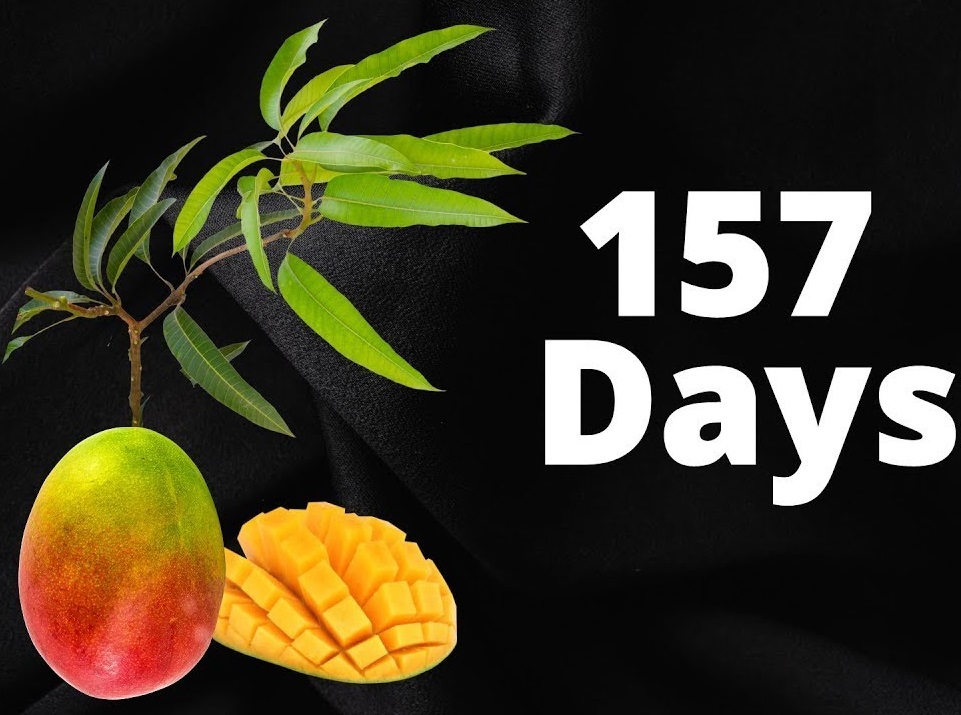
- I filmed the whole thing as a 157-day mango timelapse; the full video is embedded below.
How to Germinate a Mango Seed in Water (157-Day Timelapse)
Mango trees aren’t the fastest project on earth, but watching a plain seed wake up in a glass of water and turn into a real little tree is ridiculously satisfying. In this project I germinated a mango seed in water and captured the whole thing as a 157-day timelapse – from cracked husk to glossy-leaved mini tree.
This is the water-method + timelapse version of the project. If you want the full step-by-step grow guide, see my main How to Grow a Mango Tree from Seed guide. Below, we’ll focus on getting the seed to sprout in water, potting it up, and the basic mango care that kept my plant thriving indoors.
How to Germinate a Mango Seed in Water, Step by Step
Step 1: Prepare the mango seed
Everything starts with a tasty mango and a little curiosity. After enjoying the fruit, don’t throw away the seed – that flat, fibrous thing in the middle is your future tree. First I cleaned off as much flesh as possible and let the seed dry for a few hours so it was easier to handle.
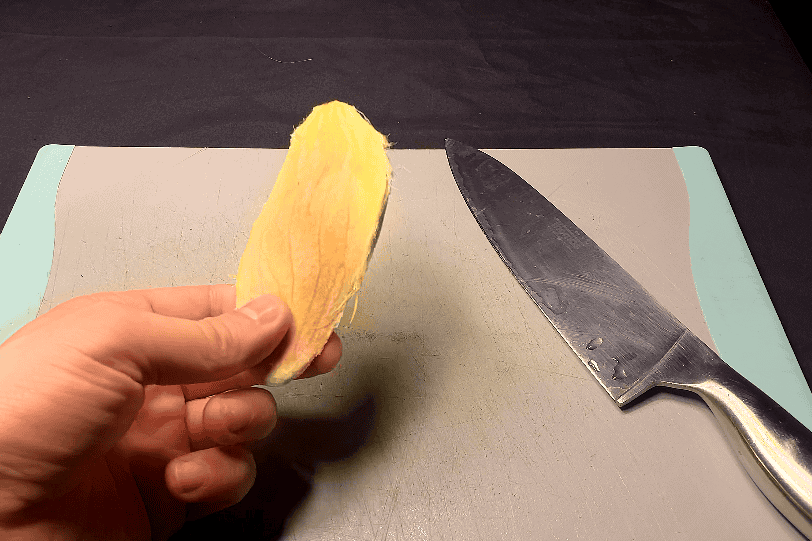
The actual embryo is hidden inside the tough outer husk. To speed things up, I carefully opened that husk with a knife and my fingers – a bit like opening a huge sunflower seed.
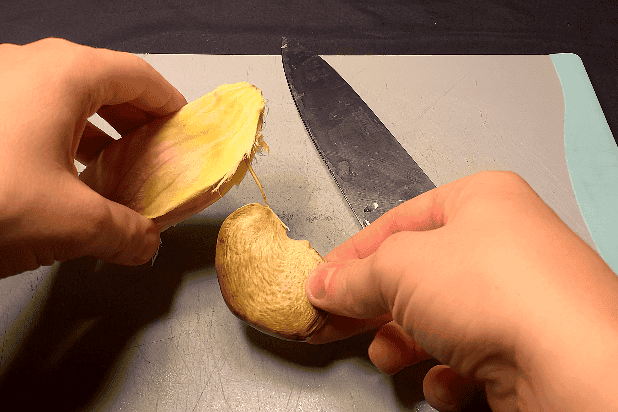
Inside you’ll find a beige, bean-shaped seed. Discard any that are moldy or flat – you want a plump, healthy one for good germination.
Step 2: Sprout the seed in water
To start the seed quickly, I used the water method. I placed the cleaned mango seed in a shallow glass of water so that only the bottom part was submerged. (You can also wrap it in a moist paper towel inside a plastic bag – both methods work; the water just lets you watch the root develop.)
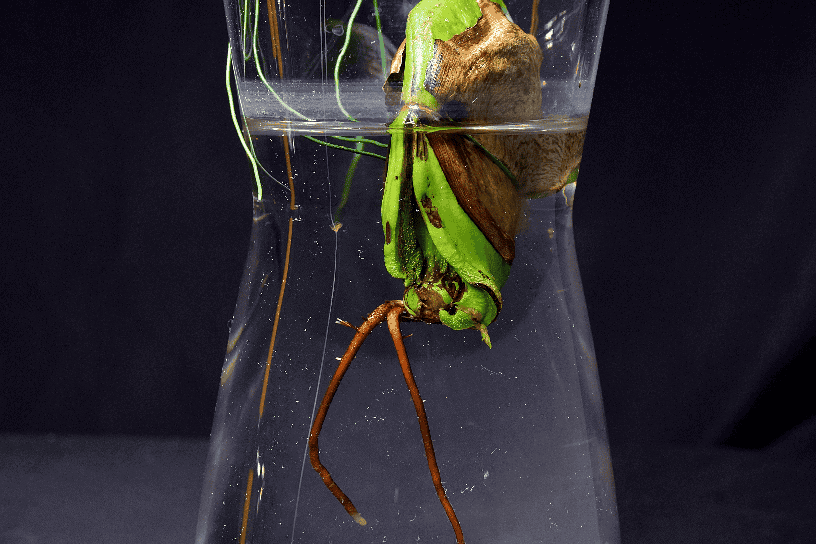
After a while (be patient – mangos can take a couple of weeks), the first white root appeared, followed by a green shoot. Once the root was a few centimetres long and the shoot started to develop, the seed was ready to move into soil.
Step 3: Pot it up – my mango soil mix
When you move a sprouted mango into a pot, drainage is everything. Mango roots hate sitting in cold, wet soil. Here’s the mix I used:
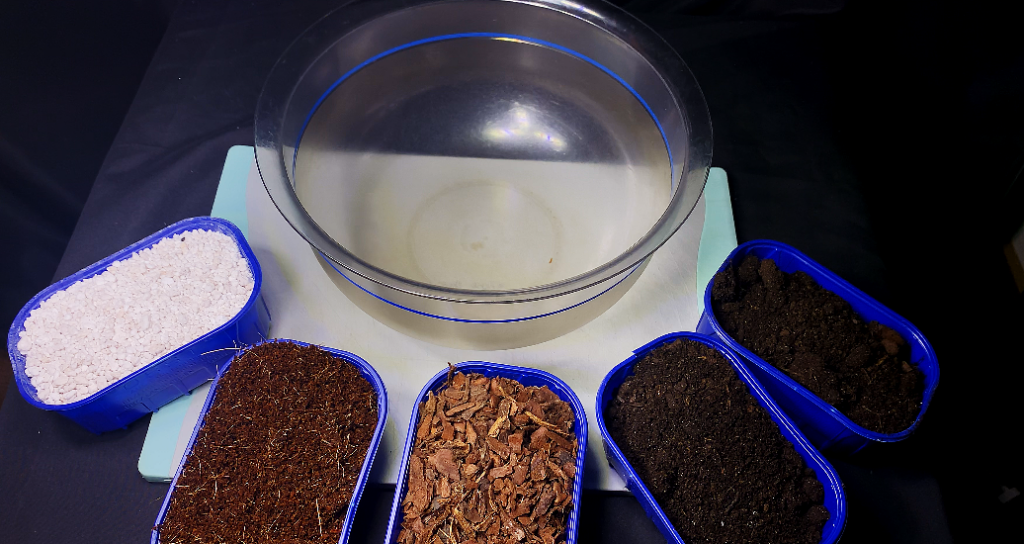
- Compost / humus: provides slow-release nutrients.
- Perlite: improves aeration and keeps the mix fluffy.
- Pine bark: adds structure and helps with drainage.
- Coco coir: holds moisture without becoming heavy.
Mix everything together and fill a pot with drainage holes. I planted the sprouted seed just below the surface with the shoot pointing upwards, then watered gently to settle the mix around the roots.
Mango Tree Care After Sprouting
Once the seedling is in soil, the real long-term care begins. Here’s what worked for my 157-day mango project.
Temperature
Mango trees are tropical. They grow best at around 70–85°F (21–29°C). I kept my plant in a consistently warm room away from cold drafts and open windows. If your house is cooler, a heating mat under the pot helps during winter.
Light
Mango seedlings love bright light. Outdoors in the tropics they’d get full sun; indoors I aimed for at least 8–10 hours of strong light per day. I used a grow lamp at roughly 14–16 hours daily to keep growth compact and healthy. On a windowsill, choose the sunniest (south-facing) spot and rotate the pot occasionally so the tree doesn’t lean.
Watering
Mango trees like evenly moist soil, but not swamp conditions. I watered whenever the top inch (2–3 cm) of soil felt dry to the touch.
- If leaves droop and the soil is dry – water.
- If the soil still feels wet and heavy – wait.
- Always let excess water drain out; never leave the pot standing in a saucer.
With this routine my mango seedling stayed healthy and avoided root rot – the number one mango killer in pots.
157-Day Mango Tree Timelapse
Now for the fun part. I photographed the mango plant regularly and turned the images into a timelapse, so you can watch months of growth in a couple of minutes:
Want to film your own? Everything I use is in my Plant Time-Lapse Equipment Guide – camera, interval settings and lighting.
Mini Mango Tree Progress
Over time the single shoot turned into a cute mini tree with glossy green leaves and a sturdy stem. It’s still far from bearing fruit, but as a houseplant it already looks impressive.
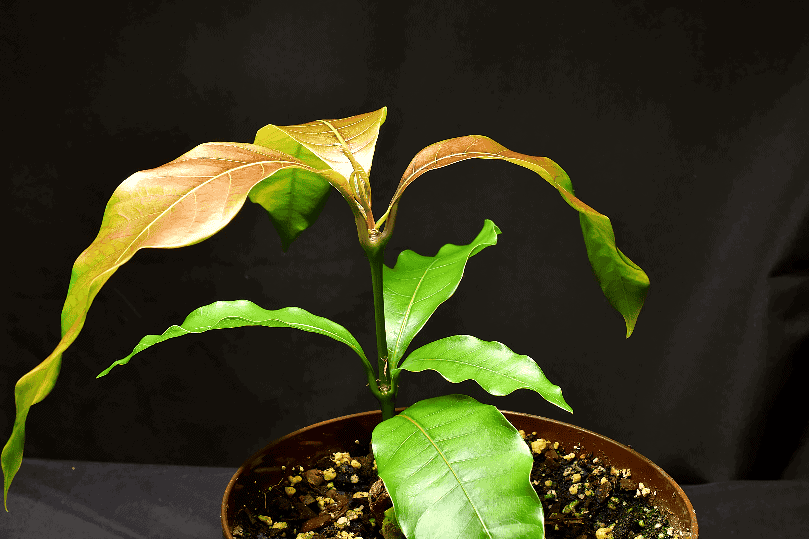
Start your own now and you’ll get to watch all the subtle changes – new leaves unfolding, the stem thickening, the plant constantly reaching for the light. It’s like a long-term pet that doesn’t complain if you forget to talk to it.
Frequently asked questions
In a warm spot it usually takes one to three weeks for the first white root and green shoot to appear. Opening the husk first speeds things up noticeably.
Both work well. The water glass lets you watch the root develop, while a moist paper towel in a bag keeps the seed warm and humid. Pick whichever you prefer.
From seed a mango can take several years (often 5 to 8 or more) to flower and fruit, and indoor trees may stay ornamental. Treat it as a botanical passion project, not a quick snack plan.
Yes, as a foliage plant. Keep it in a large enough pot, prune occasionally and give it as much light as possible. Fruit indoors is possible but not guaranteed.
Further Reading on Mango Care
- Mango Growing in the Home Landscape – University of Florida (IFAS)
- Mango (Mangifera indica) – RHS plant profile
More Plant Projects You Might Like
- How to Grow a Mango Tree from Seed – my full step-by-step grow guide (a separate mango project).
- Grow a Dragon Fruit Cactus from Seed – another seed-to-jungle timelapse.
- Avocado Bonsai from Seed – 1-Year Timelapse – another supermarket seed turned tiny tree.