TL;DR (quick summary)
- This guide shows you how to grow an oak tree from an acorn and documents my 195-day timelapse from tiny seed to young oak.
- You’ll learn how to cold stratify acorns in the fridge, when to plant them, and how to care for the seedling.
- We cover substrate, temperature, watering and light so your oak sapling survives past the cute stage.
- The full timelapse video is embedded below.
- This is a long-term project: your oak will be a proper tree in a few years, but the journey from one acorn is amazing.
If you love oak trees and timelapse videos, this one is for you. I grew an oak tree from a single acorn and filmed the whole process as a 195-day timelapse — a surprisingly emotional journey, watching a hard little acorn turn into a real baby tree. Below I walk you through exactly how to grow an oak tree from an acorn: how to stratify it in the fridge, when to plant it, and how to care for the seedling so it doesn’t die after the first set of leaves.
Step 1: cold stratification — preparing the acorn
Many oak species need a cold period (called stratification) before they germinate. In nature that’s winter. Indoors, we fake winter with your fridge.
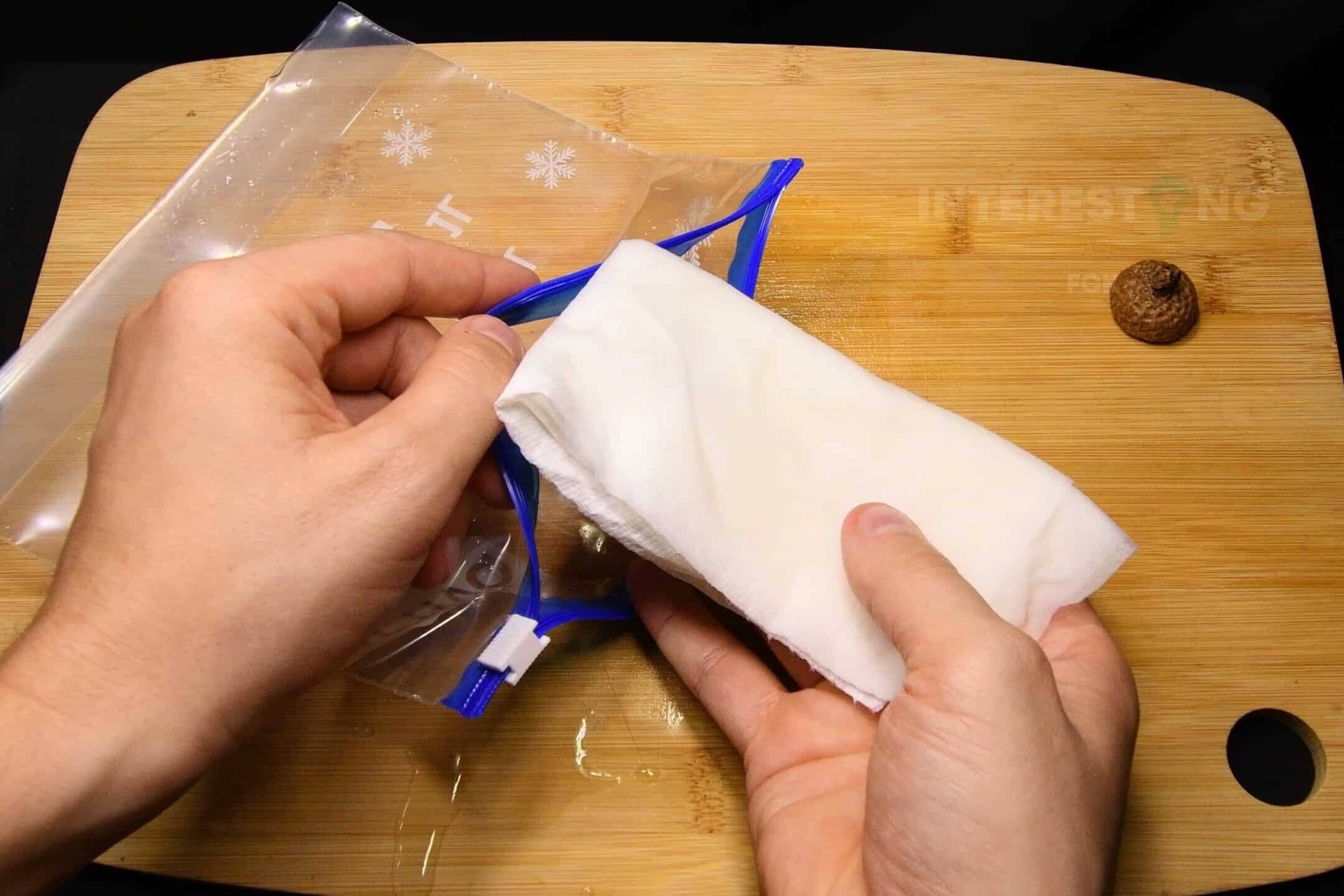
First I chose a healthy, plump acorn — no holes, no mould, no cracks. Then I wrapped it in a damp paper towel, put everything into a zip bag and placed it in the fridge at about 4–5°C (39–41°F).
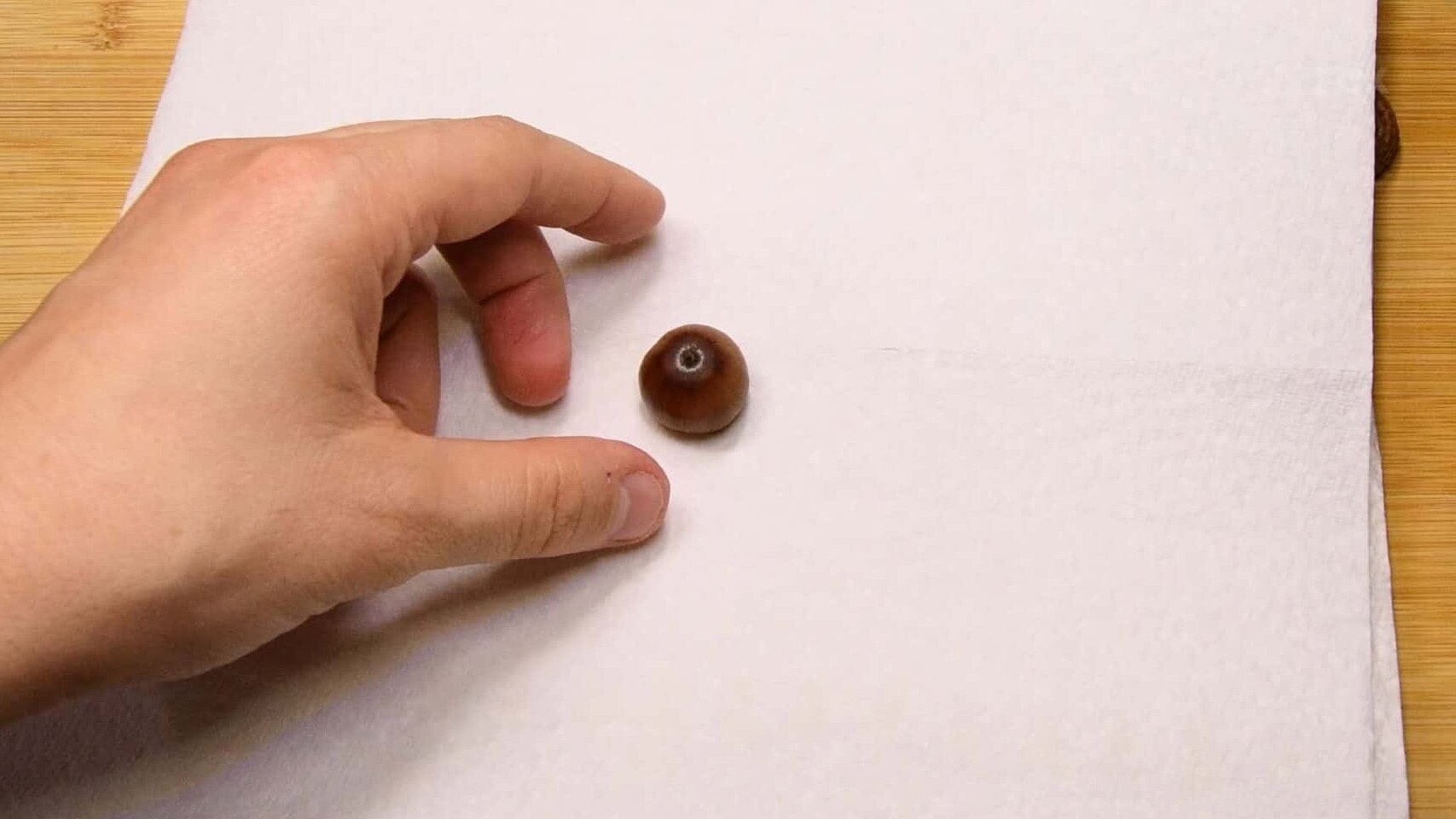
The key points for cold stratifying your acorn:
- Paper towel should be damp, not dripping (you don’t want mould soup).
- Seal the bag but leave a tiny bit of air inside so it’s not vacuum packed.
- Label the bag with the date — future you will forget.
- Store it in the fridge (never the freezer) for about 2–3 months.
Step 2: germination — when the acorn wakes up
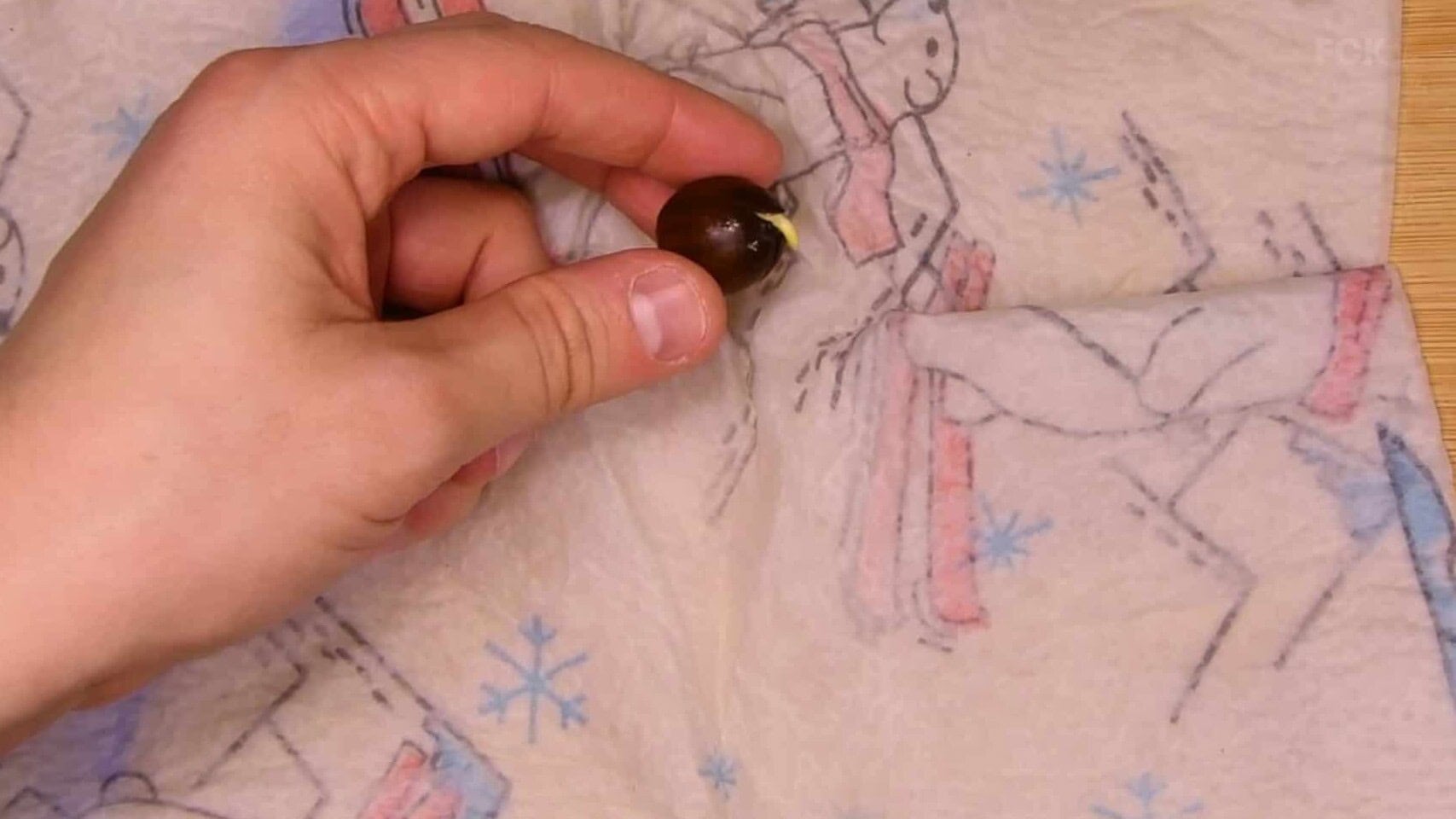
After 2–3 months in the refrigerator, I started checking the acorn every few days. Once it feels slightly softer and you see a white root (taproot) breaking through the shell, it’s showtime.
At this stage you have two options:
- Plant the acorn directly into soil (recommended long-term).
- Or, like I did for the timelapse, let it grow further in water so the early root and shoot development is clearly visible on camera.
Step 3: growing the oak in water (for timelapse fun)
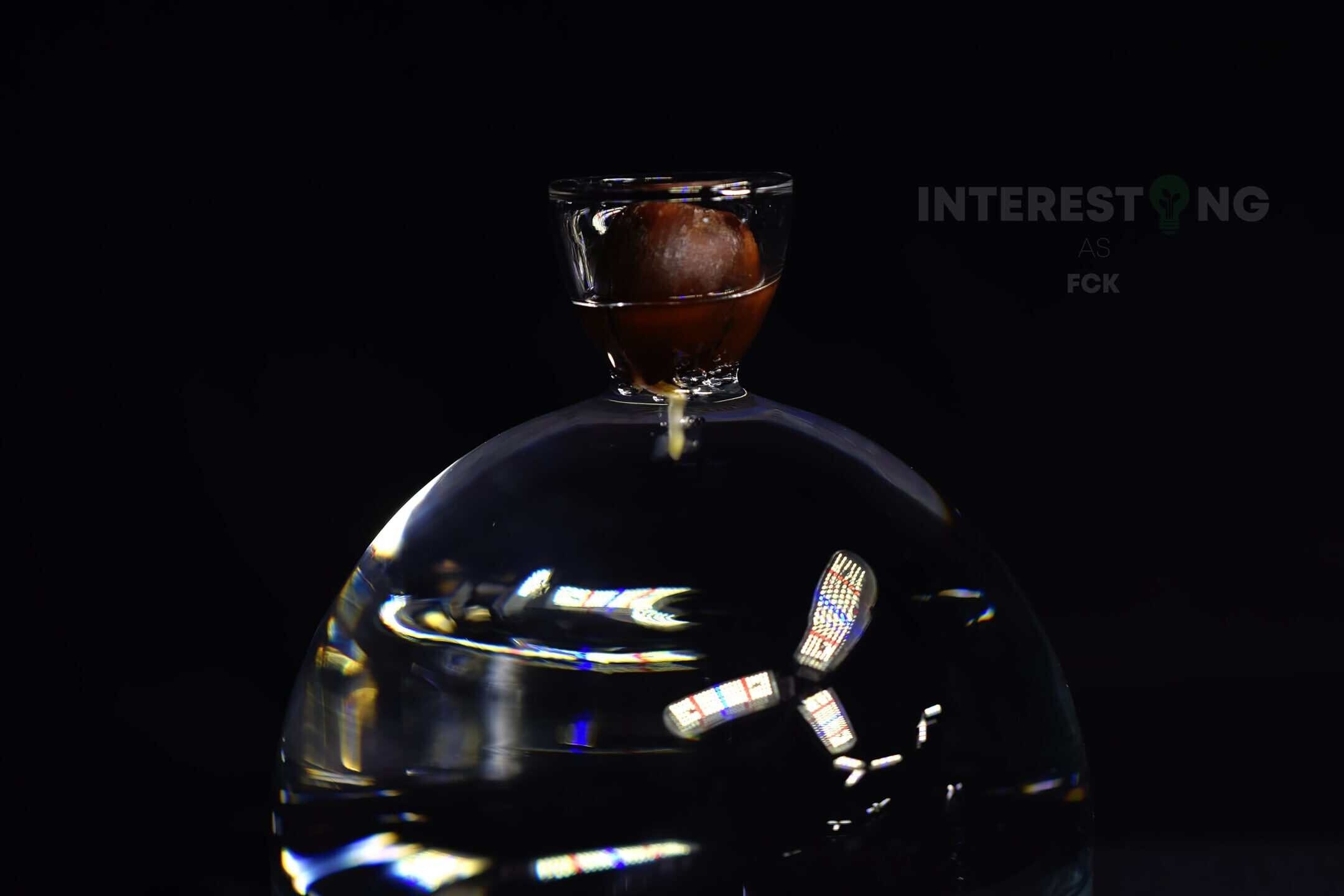
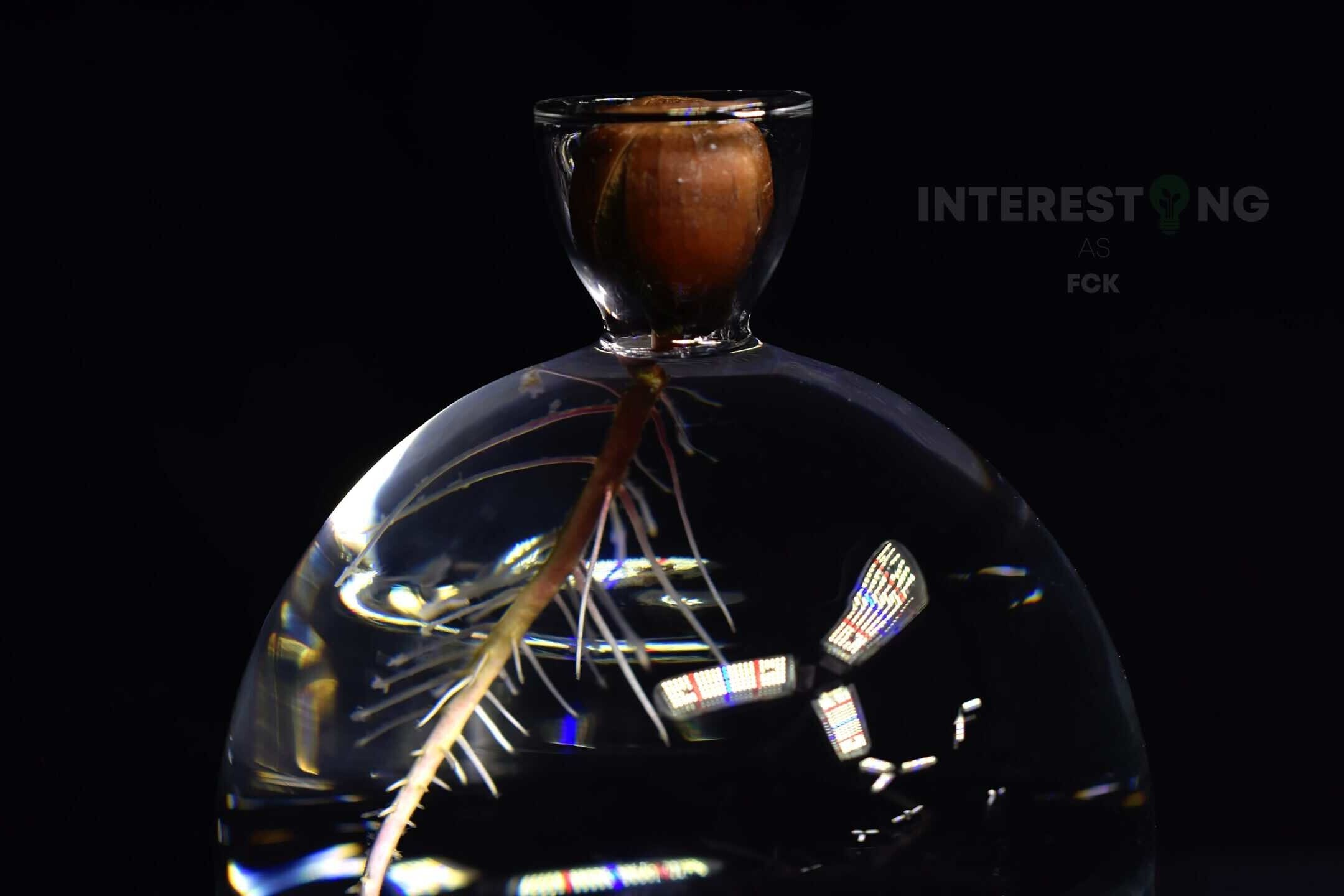
For the video, I placed the germinated acorn above water so the root could grow down while the acorn itself stayed dry. This isn’t a must for normal growing, but it looks awesome on timelapse.
If you try this:
- Make sure only the root touches the water — not the entire acorn.
- Change the water regularly to avoid rot and algae.
- Switch to soil once the root system is established and the first leaves appear.
Step 4: potting the young oak seedling
Once the oak seedling had a decent taproot and the first leaves were forming, I moved it into soil. Oaks form a strong taproot early on, so choose a deep pot rather than a shallow one.
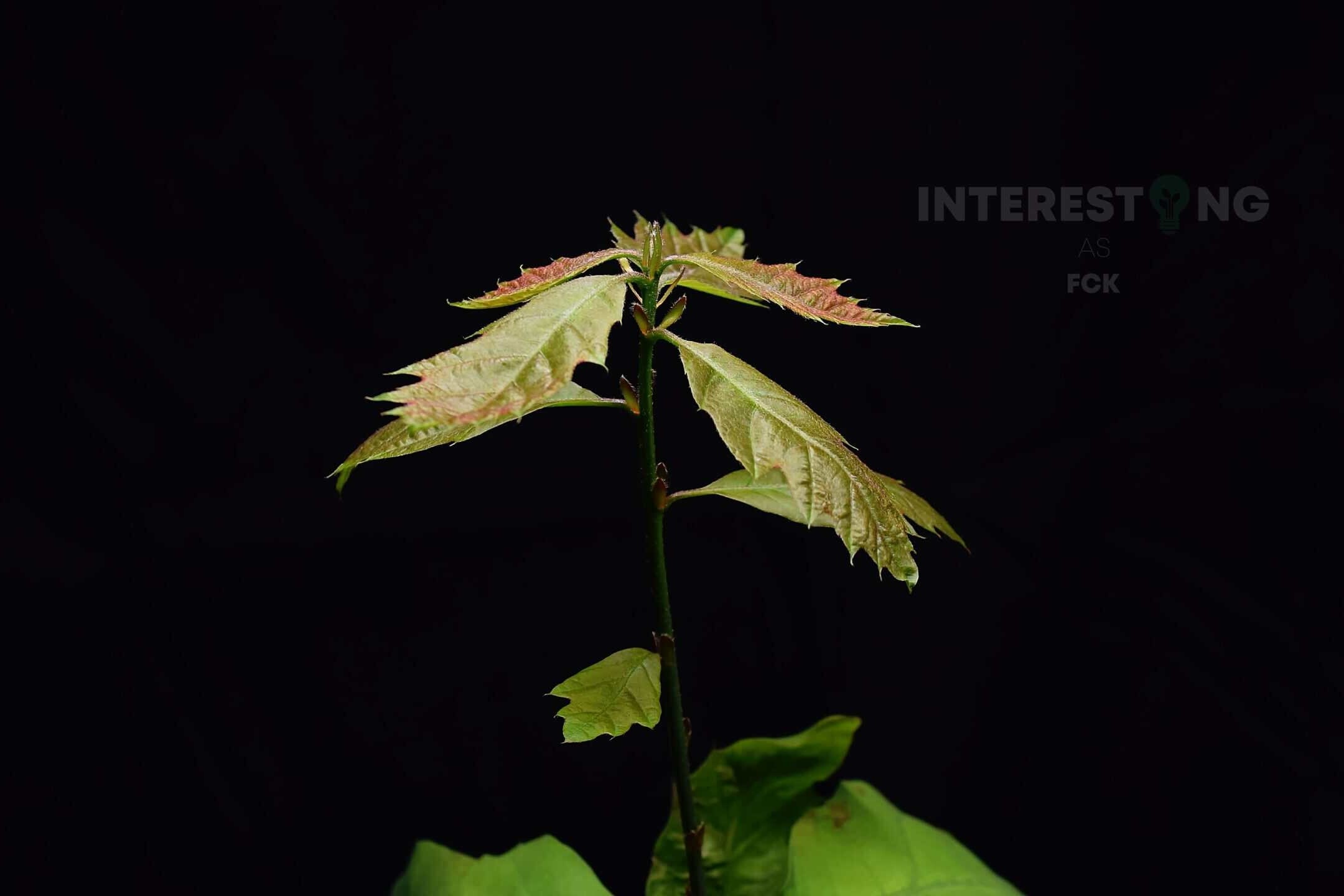
I planted the acorn about 2–3 cm (1 inch) deep, with the root pointing down and the sprout above or just at the soil surface. Then I watered thoroughly and kept the soil evenly moist until the seedling was clearly established.
Oak tree from acorn timelapse (video)
If you want to see the whole 195-day journey as a smooth video, here’s the complete timelapse:
Optimal growing conditions for young oak trees
Once your oak seedling is in soil, it behaves like a normal (baby) tree and needs the usual basics: substrate, water, light and time.
Substrate
Oak trees prefer well-draining, loamy soil. A mix of potting soil with some sand and organic matter works great. You want soil that keeps some moisture but doesn’t stay soggy — deep, moist but well-drained is the sweet spot.
Temperature
Oaks are pretty hardy, but young seedlings like a temperate range of about 60–75°F (15–24°C) during the growing season. They also benefit from a natural cold period in winter — which ties back to why acorns need stratification.
Watering
In the first year, keep the soil consistently moist but never waterlogged. As the oak establishes, it becomes more drought tolerant, but regular watering during hot, dry periods still helps a lot.
Light
Oak trees love full sun — aim for at least 6 hours of direct sunlight daily. This helps your sapling develop a strong trunk, healthy branches and dense foliage.
195-day growth timeline (overview)
| Stage | Time frame | What happens |
|---|---|---|
| Cold stratification | Day 0–90 | Acorn in damp paper towel in the fridge; internal “winter mode” resets. |
| Germination | Day 90–110 | Taproot cracks through the shell; first sign of life. |
| Early seedling | Day 110–150 | Root grows, shoot appears, first leaves open. |
| Young sapling | Day 150–195 | Stem thickens, more leaves, oak starts to look like a tiny tree. |
Want to read more?
For more traditional guides on growing oaks from acorns, see the Gardeners’ World oak tree guide, the RHS planting acorns guide, and the Mississippi State Extension oak seedlings guide.
What I used
- Healthy, ripe acorns (no holes, no mould)
- Growing an avocado bonsai from seed — a 1-year timelapse.
- Growing blueberries from store-bought fruit.
- Jalapeno timelapse: from seed to harvest in 155 days.
If you want to turn your oak project into a timelapse, check out my complete plant timelapse setup guide, where I share my camera, interval settings and lighting.
If you enjoyed this oak experiment, you might also like
For many oak species, yes. The cold period helps break dormancy and triggers germination. If you skip it, the acorn may just sit there and do nothing for months.
For the first years, sure — especially with a deep pot to accommodate the taproot. Long term, oaks want to be in the ground with space to spread roots and branches.
You’ll have a visible oak sapling within the first year. A proper small tree takes a few years, and a big mature oak is a multi-decade thing. Growing oaks is a patience hobby.
You can raise the seedling stage indoors, but oaks are outdoor trees. Long term they need lots of light, space and natural conditions that indoor environments rarely provide.