How to Grow Lettuce from Seed (Beginner-Friendly Guide)
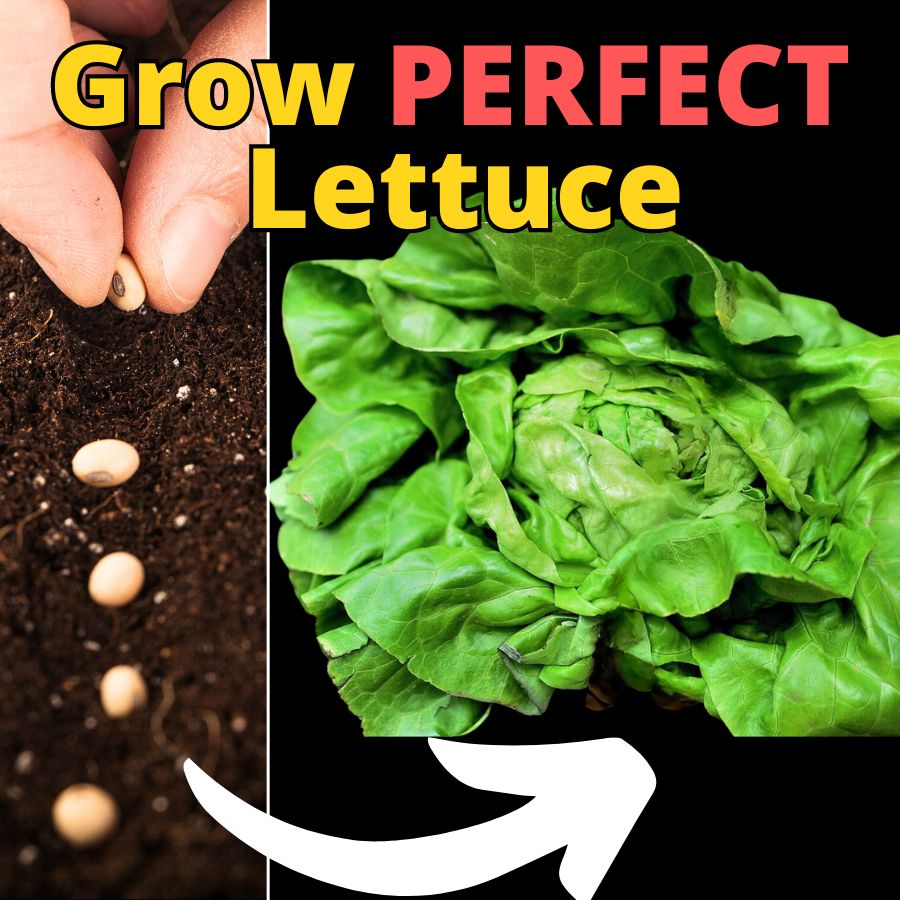
If you haven’t experienced the delight of fresh, homegrown lettuce, you’re definitely missing out. Growing lettuce from seed is one of the easiest ways to start gardening – it’s fast, forgiving, and perfect for small spaces, balconies, or even a windowsill. In this guide, I’ll show you how to grow lettuce from seed step by step, plus share a full seed-to-harvest time lapse of my own lettuce project.
TL;DR – How to Grow Lettuce from Seed
- Sow lettuce seeds shallowly (0.3–1 cm) in loose, compost-rich soil.
- Keep the soil evenly moist – never bone dry, never swampy.
- Lettuce grows best in cooler temperatures (15–20°C / 59–68°F).
- Give it at least 6 hours of light per day (sun or grow lights).
- Start harvesting baby leaves in 30–45 days, full heads a bit later.
- For a constant salad supply, succession sow every 2–3 weeks.
This article covers everything from choosing seeds and preparing the soil to caring for seedlings, transplanting, and harvesting – plus ideas for what to do with all that crunchy green goodness.
Why Grow Lettuce at Home?
Homegrown lettuce is fresher, more flavorful, and often more nutritious than the sad, slightly floppy heads you bring home from the supermarket. When you grow lettuce from seed:
- You control what goes into the soil – and onto your plate.
- You can try different varieties than the usual supermarket suspects.
- You harvest right before eating, so the leaves stay crispy and sweet.
- And honestly: watching a tray of seeds turn into a mini salad jungle is very satisfying.
It’s also a perfect beginner plant if you’re new to gardening or want a low-stress project to film as a plant time lapse.
Choosing Lettuce Seeds (Varieties That Work Well)
Before you begin, decide which type of lettuce you want to grow. There are lots of delicious options, and you can absolutely mix varieties in one pot or bed:
- Romaine – Upright, crunchy, slightly sweet. Great for salads and wraps.
- Butterhead – Soft, buttery leaves with mild flavor. Perfect for lettuce wraps.
- Oak Leaf – Frilly, decorative leaves that look great in mixed salads.
- Iceberg – Classic crunchy heads (a bit slower and fussier, but still doable).
- Cut-and-come-again mixes – Seed mixes for constant baby leaf harvests.
If you’re just starting out, I recommend a leaf lettuce or mixed salad blend – they grow fast, tolerate small mistakes, and keep giving you new leaves for weeks.
Preparing the Soil for Growing Lettuce from Seed
Lettuce loves loose, fertile, well-draining soil. Treat it nicely at the beginning, and it will reward you with tender leaves instead of bitter, stressed ones.
- Pick a spot
Choose a location that receives at least 6 hours of direct or bright indirect light per day. In hot climates, a bit of afternoon shade helps prevent bolting. - Improve the soil
Mix garden soil or vegetable soil with compost to boost nutrients and moisture retention. Aim for a soft, crumbly texture – no heavy clay blocks. - Check pH (optional but nice)
Lettuce prefers a pH between 6.0 and 7.0. Most standard vegetable soils are in that range, so don’t stress too much. - Loosen and clean up
Loosen the soil 15–20 cm (6–8 inches) deep, and remove stones, weeds, and roots. Your lettuce roots are small – help them out.
How to Sow Lettuce Seeds
Once your soil is ready, it’s time to sow. Lettuce seeds are tiny, so go gently – you’re not planting potatoes here.
- Sowing depth
Sow seeds very shallowly: about 0.3–1 cm (⅛–½ inch) deep. Cover lightly with soil or a sprinkle of vermiculite. - Spacing
For baby leaves, you can sow more densely and thin later. For full heads, leave about 10–15 cm (4–6 inches) between plants. - Watering after sowing
Water gently with a fine spray so you don’t blast the seeds into a corner. Keep the top layer of soil consistently moist until germination. - Germination time
Lettuce usually germinates in 7–10 days if the soil temperature is between 15–20°C (59–68°F).

Caring for Lettuce Seedlings
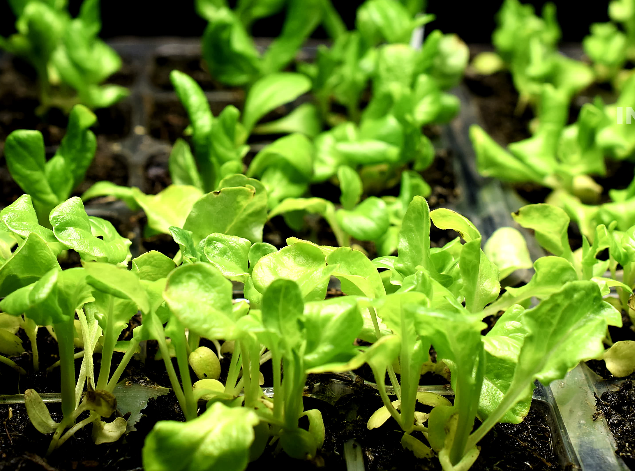
Once your lettuce seeds have germinated, the tiny seedlings will quickly turn into a mini salad carpet. Here’s how to keep them happy:
- Thinning
If you sowed thickly, thin seedlings to about 10–15 cm (4–6 inches) apart once they have a few true leaves. You can eat the thinnings as microgreens – zero waste. - Watering
Lettuce roots are shallow and dry out fast. Keep the soil evenly moist, but not soggy. If the soil dries out completely, leaves can turn bitter. - Mulching
A thin layer of straw, shredded leaves, or grass clippings helps keep moisture in and weeds out – and keeps your soil cooler in warm weather. - Feeding
Lettuce is a light feeder. A balanced, diluted liquid fertilizer every 2–3 weeks is enough. Don’t overdo nitrogen or you’ll get lush but bland leaves. - Pests
Watch for slugs, snails, and aphids. Hand-pick, use beer traps for slugs, or try gentle organic solutions like neem oil or insecticidal soap if needed.
Transplanting Lettuce Seedlings
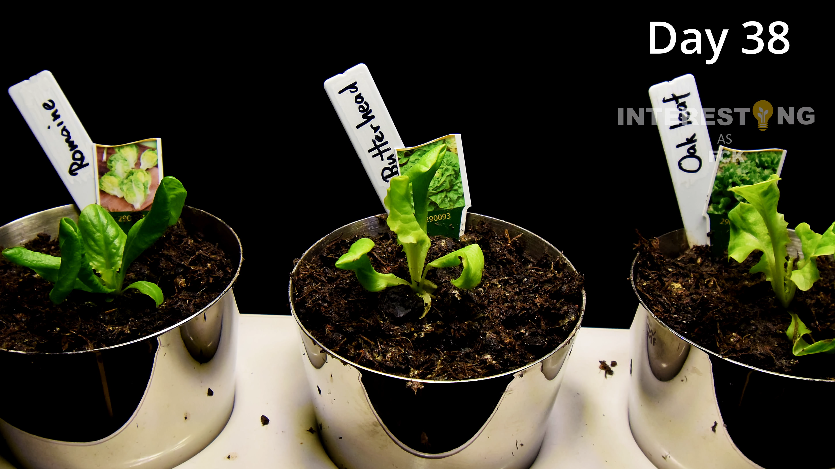
If you started lettuce in trays, soil blocks or a small pot, you’ll eventually want to give each plant more space.
- When to transplant
Transplant when seedlings have 2–3 sets of true leaves and sturdy stems. Harden them off if they’re moving outdoors – a few days of gradually increasing outdoor time works well. - Spacing
Set plants 10–15 cm (4–6 inches) apart. For big heads of romaine or iceberg, you can go a bit wider. - Planting depth
Plant them at the same depth they were growing before. Gently firm the soil around the roots and water well. - Post-transplant care
Keep the soil moist for the first week so the roots can settle in. A bit of shade for a day or two helps reduce transplant shock.
Growing Conditions: Substrate, Temperature, Watering & Light
Substrate
Lettuce prefers well-drained, fertile soil rich in organic matter. A mix of vegetable soil and compost is ideal. For containers, use a quality potting mix with good drainage holes in the pot.
Temperature
Lettuce is a cool-season crop. It grows best between 15–20°C (59–68°F). Hot weather can cause bolting (it shoots up a flower stalk) and make leaves taste bitter. In warmer regions, grow lettuce in spring and autumn, or give it afternoon shade.
Watering
Consistent moisture is key. Aim for evenly moist soil – not swamp, not desert. Let the top 1–2 cm (½ inch) dry slightly before watering again, especially in containers. Uneven watering = stressed plants = bitter lettuce.
Light
Lettuce needs at least 6 hours of light per day. In cooler climates, full sun is perfect. In hotter regions, a bit of midday shade keeps it from bolting early. Indoors, use LED grow lights placed 20–30 cm above the plants for 12–14 hours per day.
Lettuce Time Lapse: Seed to Harvest
If you want to see all of this growth compressed into just a few seconds, here’s my lettuce time lapse from seed to harvest. It’s oddly relaxing to watch the tiny seedlings explode into a full bowl of salad over time.
Harvesting Your Lettuce
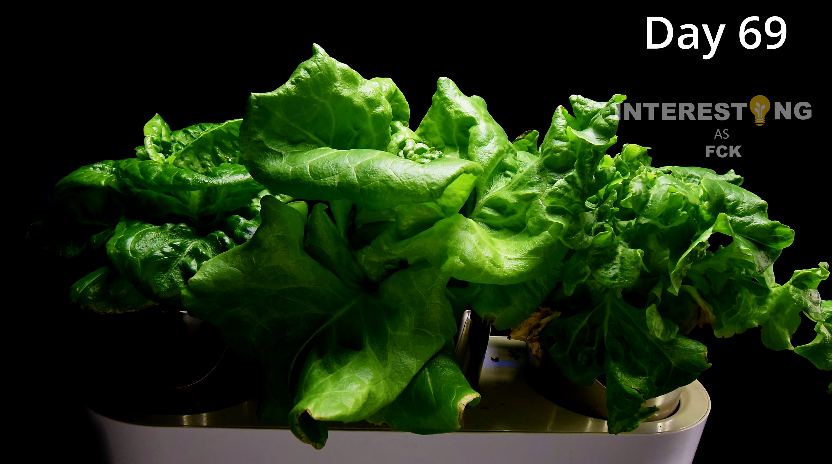
The right harvest time depends on the variety and how you want to eat it – baby leaves or full heads:
- Loose leaf types
Harvest individual leaves as soon as they reach a usable size (often 30–45 days after sowing). Cut outer leaves and let the center keep growing. - Butterhead
Harvest when the heads feel full and have formed a loose, buttery ball (about 45–60 days). - Romaine
Pick when the tall heads are well-developed but before the leaves get tough, usually 60–70 days after sowing. - Iceberg
Harvest when the head feels firm and compact, usually after 70–85 days.
Harvesting Tips
- Best time of day: Morning harvest = crisp, juicy leaves.
- Tools: Use a sharp knife or scissors to avoid crushing stems.
- Succession sowing: Sow new seeds every 2–3 weeks for continuous harvests.
Storing & Enjoying Your Homegrown Lettuce
How to Store Lettuce
Store freshly harvested leaves in the fridge in an airtight container or bag with a slightly damp paper towel to keep humidity up. Properly stored, homegrown lettuce usually stays fresh for up to a week.
Ideas for Using Your Lettuce
Classic Salad: Mix different lettuce types with tomatoes, cucumbers, seeds, and a simple vinaigrette.
Sandwiches & Burgers: Add crisp leaves for crunch and freshness.
Lettuce Wraps: Use big leaves instead of tortillas – fill with grilled veggies, tofu, or chicken.
Green Smoothie: Toss lettuce into smoothies with apple, banana, and a splash of orange juice – more vitamins, less guilt.
Want to Nerd Out Even More About Lettuce?
If you like deep, textbook-level growing advice, check out these external resources:
- Royal Horticultural Society – Grow Your Own Lettuce
- The Old Farmer’s Almanac – Lettuce Growing Guide
If You Enjoyed This Lettuce Time Lapse, You Might Also Like:
Regrowing Vegetables from Kitchen Scraps – Can you really grow food from leftovers? I tested celery, lettuce, scallions, and carrots in a full time lapse experiment:
Gardening Tutorial: Regrowing Vegetables from Scraps – Does it Really Work?
Growing Tomatoes from Seed (with Time Lapse) – From tiny seeds to juicy fruits, all captured on camera:
Growing Tomatoes from Seed: A Journey from Seed to Harvest with Time-Lapse Magic
Broccoli from Seed to Harvest Indoors – Another satisfying seed-to-plate project:
The Magical Journey of Growing Broccoli: From Seed to Harvest Timelapse
Recommended materials:
If you want to record your own plant time lapses, check out my full equipment guide where I share my camera setup, interval settings and lighting tips.
👉 https://blog.interesting-as-fck.com/plant-time-lapse-equipment-all-you-need/
All my social links: https://beacons.ai/interestingasfck
YouTube Timelapse: https://www.youtube.com/@interestingasfck
YouTube Tutorials: https://www.youtube.com/@interestingasfck
Instagram: https://www.instagram.com/interestingasfck.official/
TikTok: https://www.tiktok.com/@interestingasfck
Facebook: https://www.facebook.com/profile.php?id=61550590780487