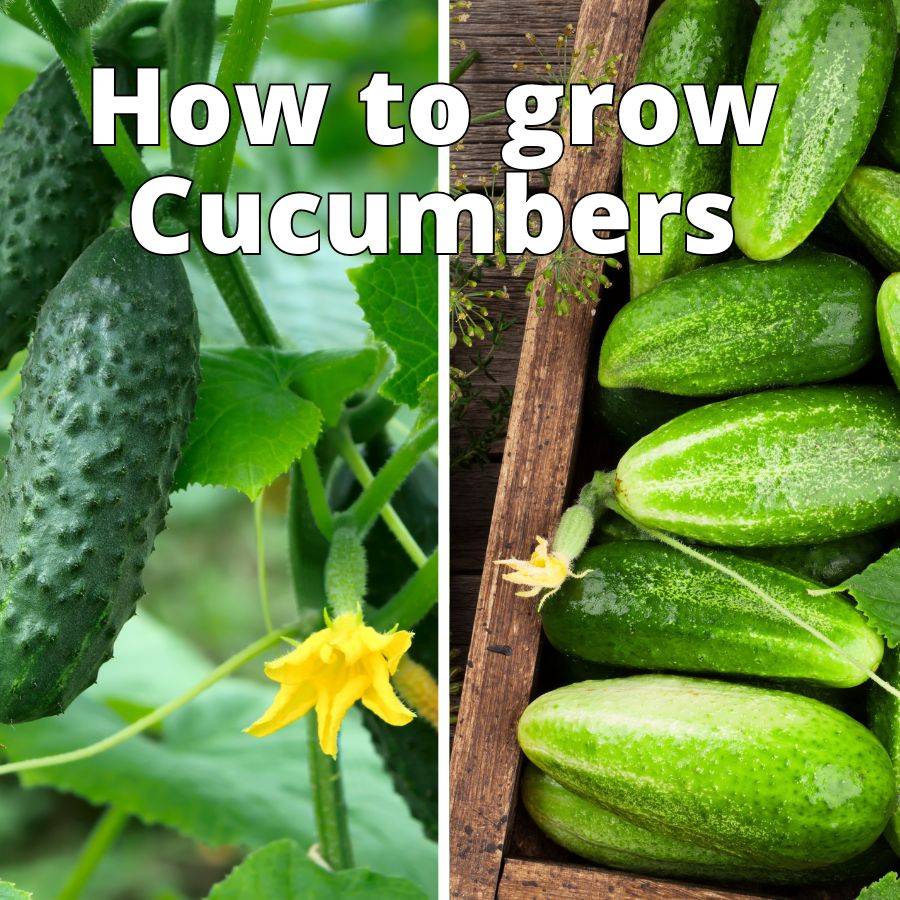
How to Grow Cucumbers from Seed: A DIY Guide to Bountiful Harvests
Growing cucumbers from seed is one of those gardening projects that feels way harder in your head than it actually is in real life. With a bit of guidance (hello, that’s what this tutorial is for), you can go from tiny cucumber seeds to crunchy, homegrown cucumbers in just a few weeks. In this DIY guide, I’ll show you exactly how to grow cucumbers from seed, from soil prep to harvest – and how to avoid the most common mistakes along the way.
TL;DR – Growing Cucumbers from Seed in 7 Steps
- Choose compact varieties like Salad Bush or Space Master for small spaces and containers.
- Use fertile, well-draining soil enriched with compost.
- Sow cucumber seeds about 1 cm deep in warm soil (indoors or outdoors).
- Provide warm temperatures (21–29°C), lots of sun and consistent moisture.
- Train plants up a trellis to save space and keep fruits clean.
- Feed regularly – cucumbers are hungry, productive plants.
- Harvest often to encourage more cucumbers and avoid big, bitter fruits.
Choosing the Right Cucumber Seeds
The first step in your cucumber-growing journey is selecting the right seeds. While you can grow cucumbers from seeds you’ve saved from store-bought fruits, results are often unpredictable. For reliable germination and strong plants, I recommend buying high-quality cucumber seeds instead.
Two of my favorite compact varieties are Salad Bush and Space Master. They stay relatively small, which makes them perfect for containers, balconies and small gardens. If you have more space, feel free to try vining varieties as well – the basic process of how to grow cucumbers from seed stays the same.
Preparing the Soil – Foundation for Healthy Cucumber Plants
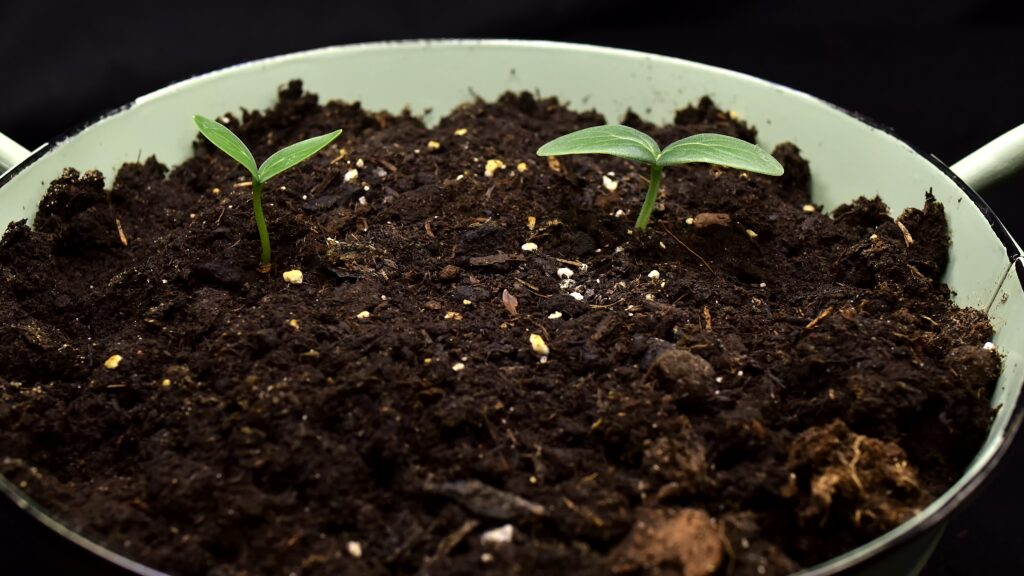
In the image above you can see fresh cucumber seedlings just after germination. The small green sprouts are pushing through a loose, dark growing medium – exactly the kind of airy, nutrient-rich soil mix cucumbers love as they start from seed.
Cucumbers thrive in rich, well-draining, loose soil. Before you plant your cucumber seeds, take a moment to prepare a good growing medium – your plants will pay you back in crunchy harvests.
- Add compost
Mix in compost or well-rotted organic matter to improve fertility and soil structure. - Improve drainage
If your soil is heavy or compacted, add sand, perlite or fine bark to help excess water drain away. - Consider raised beds or containers
If your garden soil is really poor, use raised beds or big containers with a high-quality vegetable potting mix. That way you control the environment from day one.
Sowing Cucumber Seeds – Getting Them Started
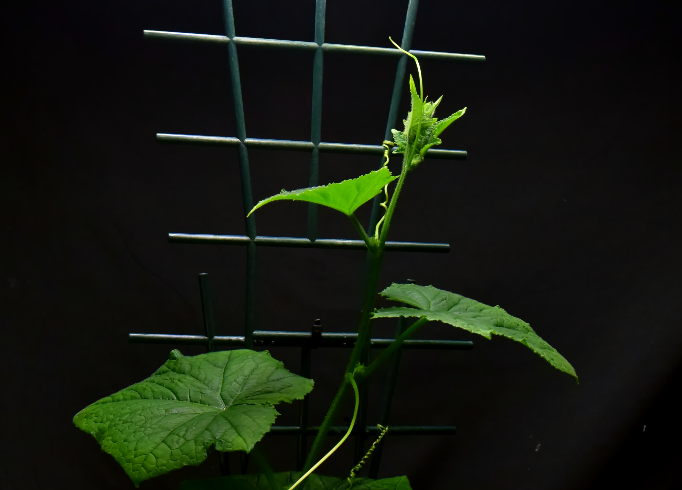
The photo shows a cucumber vine climbing a vertical support, with long stems and leaves reaching upward. Training cucumbers like this is ideal when you start them from seed in small spaces, because it keeps the plants tidy and gives fruits plenty of airflow and light.
When it comes to how deep to plant cucumber seeds, think shallow but covered. A good rule of thumb:
- Sowing depth
Plant each cucumber seed about 1 cm (½ inch) deep and cover it lightly with soil. - Water gently
Water the soil carefully so you don’t wash the seeds away, but make sure the top layer is evenly moist. - Direct sow vs. starting indoors
You can sow cucumber seeds directly outdoors once the soil has warmed up, or start them indoors 2–3 weeks before the last frost. I like starting indoors to give them a head start in cooler climates.
If you’re starting indoors, use small pots or seed trays with a seed-starting mix. Place them in a warm, bright spot and keep the soil consistently moist (but not soggy). Your cucumber seeds should germinate in about a week under good conditions.
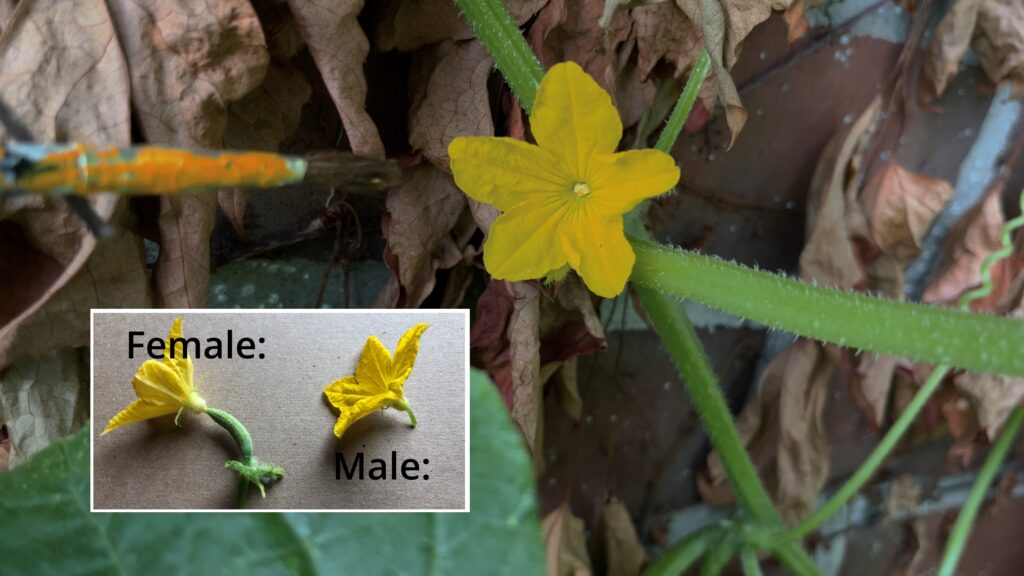
This image highlights the difference between male and female cucumber flowers. The male blossoms sit on a straight stem, while the female flowers have a tiny baby cucumber (an ovary) right behind the petals. Recognizing this is super helpful when you hand-pollinate cucumbers grown from seed indoors or in greenhouses.
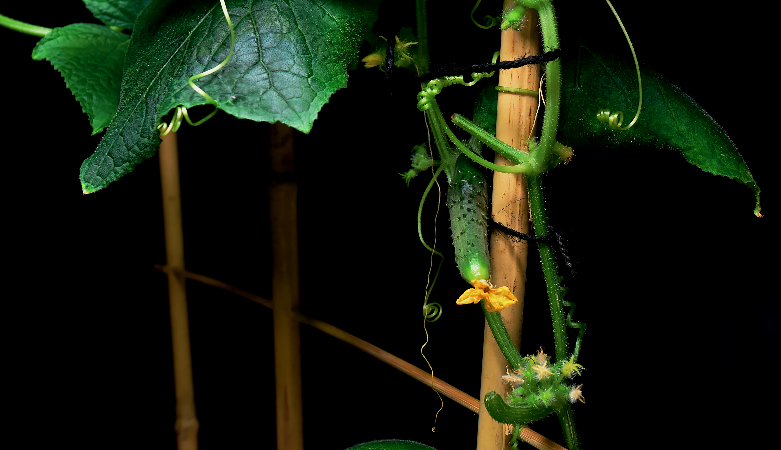
Here you can see a tiny cucumber forming behind a successfully pollinated flower. This is the moment every gardener waits for – the proof that light, water and pollination are all working together. From this stage, the fruit will quickly bulk up if the plant gets good care.
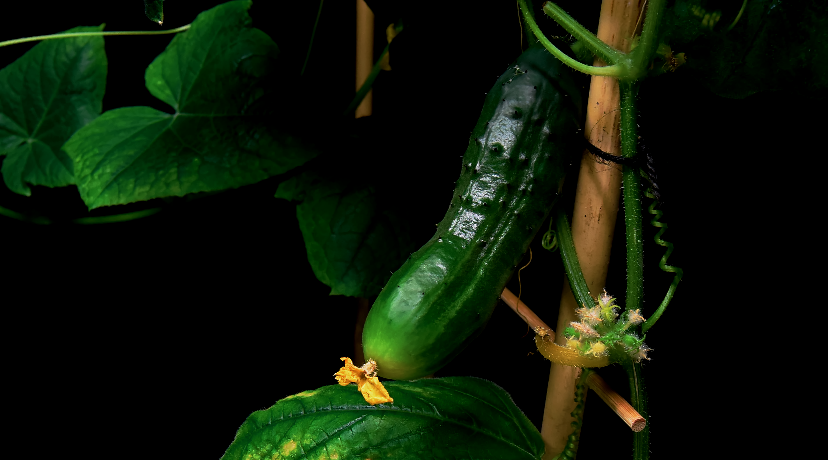
In the photo above, a mature cucumber hangs from the vine, almost ready to harvest. The fruits are firm, evenly colored and still glossy – perfect indicators that your “grow cucumbers from seed” experiment has turned into actual food.
Creating the Perfect Growing Environment
To really grow cucumbers from seed successfully, it’s all about matching their favorite climate: warm, bright and evenly moist.
Temperature:
Cucumber plants love warmth. Daytime temperatures around 21–29°C (70–85°F) are ideal, and nights should stay above 15°C (60°F). Don’t rush them outside – wait until all risk of frost has passed and the soil has warmed up.
Light:
Cucumbers are sun worshippers. Give them at least 6–8 hours of direct sunlight per day. If you grow indoors or in a greenhouse with weak natural light, consider using grow lights to keep the plants compact and productive.
Watering:
Cucumbers are sensitive to both drought and soggy soil. Aim for consistently moist soil – not bone dry, not swamp. Deep watering once or twice a week usually works well, depending on your weather. Always water at the base of the plant to keep leaves dry and reduce disease risk.
Substrate:
Use a well-draining vegetable mix. If your garden soil is heavy clay, mix in sand, compost and/or perlite. For containers, choose a good quality potting mix designed for veggies.
Training Cucumbers to Climb
As your cucumber plants grow, they’ll send out tendrils and start looking for something to climb. Give them a trellis, net, or simple frame to grow on. Vertical growing:
- saves space,
- keeps fruits clean and off the soil,
- improves air circulation,
- and makes harvesting way easier on your back.
Simply guide young shoots towards the support and let the tendrils do the rest.
Feeding Your Cucumber Plants
Cucumbers are hungry plants. Once they start vining and flowering, regular feeding makes a big difference in how many cucumbers you get.
- Use a balanced fertilizer early on to support leaf and root growth.
- Switch to a fertilizer higher in potassium and phosphorus to boost flowers and fruits.
- For organic growing, compost tea or fish emulsion are great slow, gentle options.
Pollination: Turning Flowers into Cucumbers
Cucumber plants produce two types of flowers:
- Male flowers – thin stem, no tiny cucumber behind the blossom.
- Female flowers – a small baby cucumber is visible right behind the flower.
Outdoors, bees and other pollinators usually handle the work for you. If you’re growing cucumbers indoors or in a low-pollinator area, you can hand-pollinate using a small brush or even a cotton swab: collect pollen from a male flower and gently dab it onto the center of a female flower. It’s quick, strangely satisfying, and can dramatically increase your yield.
Harvesting Cucumbers – The Fun Part
Depending on the variety, cucumbers are usually ready to harvest about 50–70 days after sowing. They grow fast, so once you spot the first fruits, keep an eye on them daily.
- Harvest size
Pick cucumbers when they reach the recommended size for your variety – usually before they get fat, seedy and yellow. - How to harvest
Use a sharp knife or pruning shears and cut the cucumber off the vine, leaving a small piece of stem attached. Avoid twisting or yanking – that can damage the plant. - Harvest often
The more you pick, the more the plant tends to produce. Letting fruits get oversized can signal the plant to slow down.
Troubleshooting Common Cucumber Problems
Even if you follow every “how to grow cucumbers from seed” rule perfectly, a few issues can still pop up. Here are some of the usual suspects:
- Yellowing leaves – Often a nutrient issue (especially nitrogen) or overwatering. Check your feeding schedule and drainage.
- Powdery mildew – White, powdery coating on leaves. Improve air circulation, avoid wetting the foliage, and treat with neem oil if needed.
- Cucumber beetles & pests – Use row covers early in the season, inspect plants regularly, and remove beetles by hand where possible.
Related Timelapse & Veggie Tutorials
If you enjoy growing cucumbers from seed, you might also like these projects:
Regrowing Vegetables from Scraps – Celery, lettuce, scallions and more:
Gardening Tutorial: Regrowing Vegetables from Scraps – Does it Really Work?
How to Grow Lettuce from Seed – Perfect salad partner for your cucumbers:
How to Grow Lettuce from Seed: A Fun and Easy Guide
Growing Tomatoes from Seed with Timelapse – Another classic garden staple:
Growing Tomatoes from Seed: A Journey from Seed to Harvest with Time-Lapse Magic
Conclusion: Growing Cucumbers from Seed is Easier Than You Think
Growing cucumbers from seed is a beginner-friendly DIY gardening project that pays off fast. With the right seeds, good soil preparation and a warm, sunny spot, you can enjoy a steady supply of crunchy cucumbers for salads, sandwiches, pickles – or just snacking straight off the vine.
Follow these steps, adjust as you learn what works in your climate, and you’ll be well on your way to becoming the cucumber person in your friend group. Happy gardening! 🥒
Recommended materials:
If you want to create your own plant timelapses, check out my complete Plant Time-Lapse Equipment Guide.
👉 https://blog.interesting-as-fck.com/plant-time-lapse-equipment-all-you-need/
My social media accounts: https://beacons.ai/interestingasfck
YouTube Timelapse: https://www.youtube.com/@interestingasfck
YouTube Tutorials: https://www.youtube.com/@interestingasfck
Instagram: https://www.instagram.com/interestingasfck.official/
TikTok: https://www.tiktok.com/@interestingasfck
Facebook: https://www.facebook.com/profile.php?id=61550590780487