Have you ever wondered what it would be like to watch a tomato plant grow from seed to harvest in just a few minutes? If you’re dreaming of homegrown tomatoes (and honestly, who isn’t?), you’re in for a treat. In this guide, we’ll walk through exactly how to grow tomatoes from seed step by step – and I’ll show you the whole journey in a stunning tomato time-lapse.
The Tomato Timelapse: 83 Days of Growth in Minutes
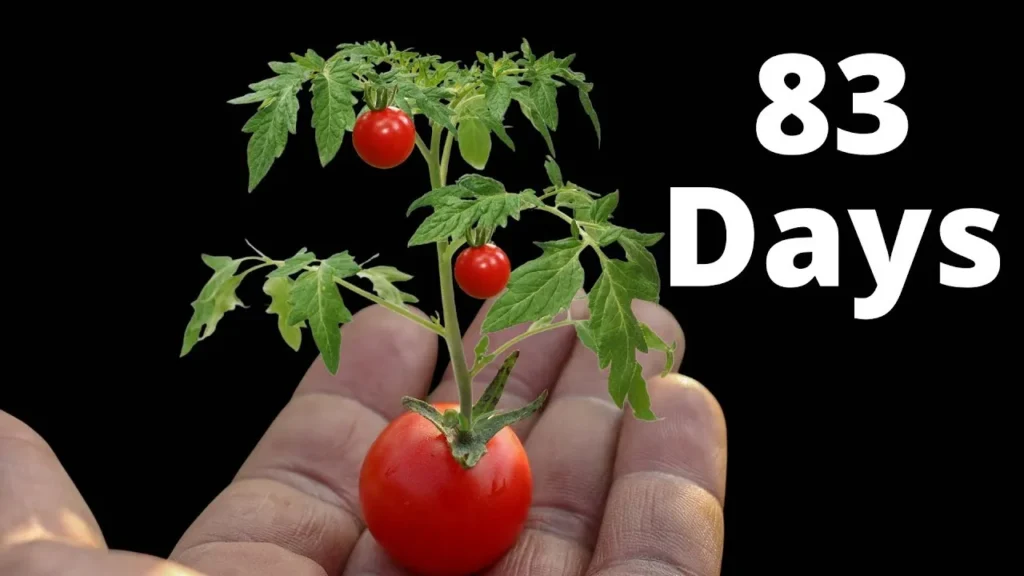
There’s something magical about watching nature unfold in fast-forward. I captured the entire process of growing cherry tomatoes from seed to harvest in a mesmerizing 83-day time-lapse. Tiny seeds turn into delicate seedlings, then into vigorous, vining plants covered in flowers and, finally, juicy tomatoes.
Seeing this transformation in just a few minutes helps you understand every growth stage: germination, first true leaves, branching, flowering, pollination, and finally fruit ripening. It’s both oddly soothing and super educational – especially if you’re about to grow tomatoes from seed yourself.
Why Grow Tomatoes from Seed?
You might be wondering: why bother growing tomatoes from seed when you can just buy seedlings from a nursery? Good question. Here are a few reasons starting from seed is worth it:
- More variety: You can grow unique, heirloom, and specialty varieties that are rarely sold as seedlings.
- Better control: You know exactly how your plants were grown – from the soil mix to the fertilizer.
- Cost-effective: One seed packet can produce a whole army of tomato plants.
- More fun: Watching a tomato plant grow from a tiny seed to a fruit-loaded jungle is extremely satisfying – especially if you film a timelapse.
Cherry tomatoes are a great choice for beginners because they’re fast, productive and quite forgiving. But once you get the hang of it, you can move on to beefsteaks, paste tomatoes, and even rare heirlooms.
Step-by-Step: How to Grow Tomatoes from Seed
Ready to start your own tomato-growing adventure? Here’s a simple step-by-step guide on how to grow tomatoes from seed – from sowing to harvest.
- Choose Your Seeds
Pick a tomato variety that fits your space and taste. Cherry tomatoes and compact bush types are perfect for balconies and containers. Indeterminate (vining) types need more space and support but will reward you with continuous harvests. - Prepare the Soil
Use a light, well-draining seed-starting mix. It should be fine-textured and low in large chunks, so the tiny roots can move easily. Fill seed trays or small pots, leaving about 1–1.5 cm (½ inch) at the top. - Plant the Seeds
Sow your tomato seeds about 0.5 cm (¼ inch) deep. Gently cover them with soil or vermiculite and mist with water so you don’t wash the seeds away. - Germination
Place the trays in a warm spot, ideally between 21–27°C (70–80°F). Keep the substrate evenly moist but never soggy. Under good conditions, seeds usually germinate within 5–10 days. - Light & Early Care
As soon as the seedlings appear, give them plenty of light. A south-facing window can work, but grow lights are even better to keep them from stretching. Water when the top layer of soil starts to dry out. - Potting Up
When your seedlings have 2 sets of true leaves, gently transplant them into larger pots. You can bury part of the stem to encourage extra root growth – tomatoes love that. - Hardening Off
Before planting outside, gradually introduce your tomato plants to outdoor conditions. Start with a few hours of shade and light breeze, then slowly increase sun and time outside over a week. - Final Planting
Once the risk of frost is gone, plant your tomatoes in their final spot. Give them rich soil, deep planting holes, and enough space between plants (usually 40–60 cm, depending on the variety). - Care, Support & Pruning
Water regularly, add stakes or cages early, and remove lower leaves that touch the soil to reduce disease risk. For vining varieties, you can also prune side shoots (suckers) to keep plants under control. - Harvest Time
Your tomatoes are ready to harvest when they are fully colored, slightly soft to the touch, and easy to pick. Then it’s up to you: eat them straight from the plant, turn them into salad, or snack on them while watching your timelapse.
Essential Growing Conditions for Tomatoes
Tomatoes are not complicated, but they are a little picky. If you get the basics right – substrate, temperature, watering, and light – they’ll reward you with a heavy, sweet harvest.
Substrate
Tomatoes thrive in well-draining, nutrient-rich soil. A good vegetable soil mixed with compost or well-rotted manure works very well. Aim for a slightly acidic to neutral pH between 6.0 and 7.0. If you’re growing in containers, use a high-quality potting mix designed for vegetables.
Temperature
Tomatoes are warmth lovers. Ideal daytime temperatures are around 21–29°C (70–85°F), with nighttime temperatures above 13°C (55°F). Cold soil and frosty nights will stunt or even kill young plants, so don’t rush planting them outside.
Watering
Consistent moisture is key. Tomatoes usually need about 2.5–5 cm (1–2 inches) of water per week, depending on heat and wind. Water deeply at the base of the plant rather than on the leaves to reduce fungal problems. Try to keep your watering schedule steady – big swings between very dry and very wet can cause blossom end rot and cracked fruit.
Light
Tomatoes need full sun: at least 6–8 hours of direct light per day, and more is even better. On a balcony or indoors, choose the brightest possible spot or supplement with grow lights. Without enough light, plants become leggy and produce fewer fruits.
Fertilization
Tomatoes are heavy feeders. Start with a balanced fertilizer or compost when planting, then switch to a tomato fertilizer higher in potassium and phosphorus once flowering begins. Go easy on nitrogen – too much will give you giant plants with very few tomatoes.
Tomato Timelapse & Filming Tips
If you’re into timelapse videos, tomatoes are perfect subjects. They grow fast, change visibly almost every day, and the switch from green to red fruit looks amazing on camera.
Set up your camera on a stable tripod, use an intervalometer, and keep the frame exactly the same throughout the whole grow. If you want to know what camera, lens, and lights I use for my plant timelapses, you can check out my gear breakdown here: Plant Time-Lapse Equipment – All You Need.
Conclusion: Growing Tomatoes from Seed Is Worth It
Growing tomatoes from seed is not just about the harvest – it’s about the whole journey. From the first tiny sprout to the moment you bite into a sun-warm cherry tomato, every stage is rewarding. Add a tomato timelapse on top, and you’ve got both delicious food and a super satisfying visual project.
So whether you’re a gardening newbie or already a seasoned plant nerd, give it a try. Start a few seeds, document the process, and enjoy the magic of watching your own tomato jungle come to life – one frame at a time. 🍅
Recommended materials & links
Timelapse gear & plant setup: https://blog.interesting-as-fck.com/plant-time-lapse-equipment-all-you-need/
My social media & more timelapses: https://beacons.ai/interestingasfck
YouTube Timelapse: https://www.youtube.com/@interestingasfck
YouTube Tutorials: https://www.youtube.com/@interestingasfck
Instagram: https://www.instagram.com/interestingasfck.official/
TikTok: https://www.tiktok.com/@interestingasfck
Facebook: https://www.facebook.com/profile.php?id=61550590780487