TL;DR (quick summary)
- You can grow blueberries from seed using store-bought fruit by extracting and germinating the seeds.
- Use either the “smash and strain” or “slit and remove” method to collect lots of viable seeds.
- Blueberries love acidic soil (pH 4.5–5.5), consistent moisture and full sun.
- Seedlings can be transplanted once they reach about 10 cm in height.
- Expect berries after 2–3 years — this is a long-term gardening project.
- Full timelapse video and growing conditions are included below.
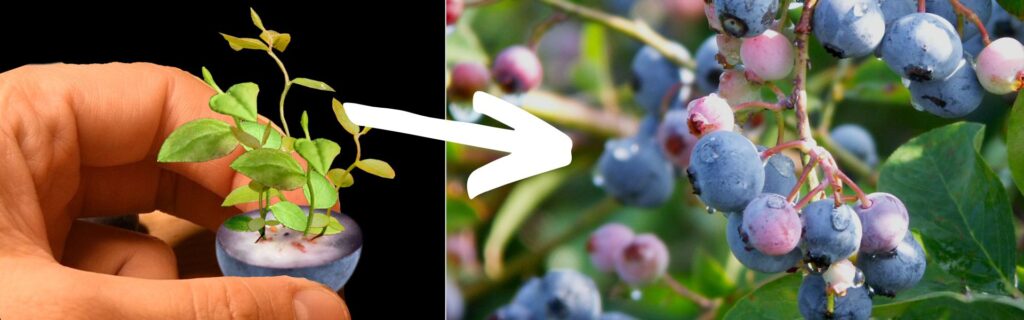
I grew these blueberries from the seeds of store-bought fruit and filmed the whole process as a timelapse. Below is exactly how I did it — extracting the seeds, germinating them, preparing acidic soil, and caring for the seedlings — plus the real timing I observed along the way.
How to grow blueberries from seed (using store-bought fruit)
Growing blueberries from seed is a fun experiment, a great way to understand plant growth and — with a bit of patience — it might even reward you with home-grown blueberries in a few years. Here’s the full step-by-step.
Step 1: Extracting seeds from blueberries
First you need to get the seeds out of the berries. There are two easy methods:
- Slit and remove: cut or slit the berries open and gently separate the pulp, then pick out the seeds with your fingers. Slower, but more control.
- Smash and strain: smash some blueberries in a very fine mesh sieve and rinse with cold running water to wash off the pulp, while the tiny seeds stay behind in the sieve.
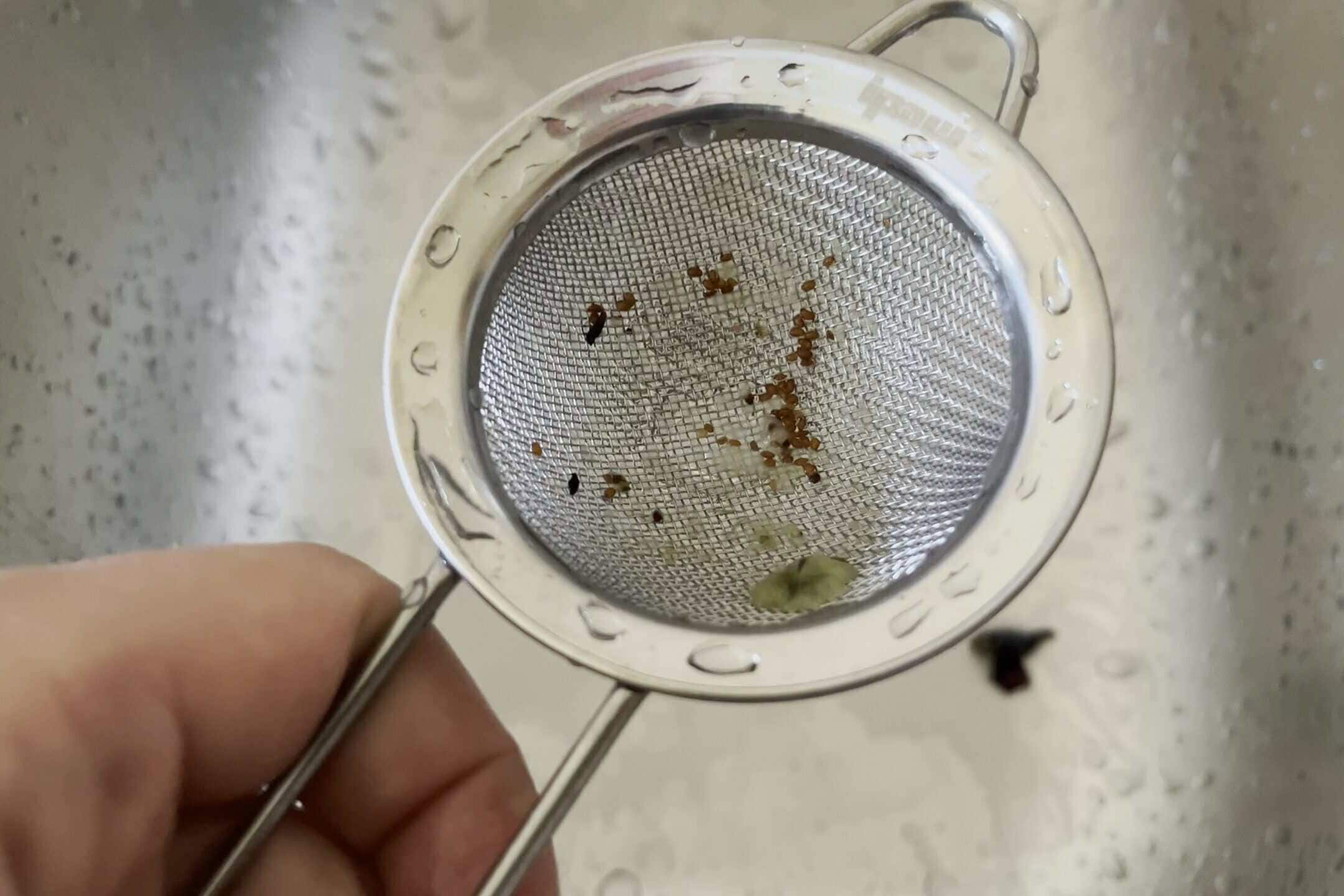
As you can see above, the fine mesh sieve holds back all the tiny seeds while the pulp gets washed away. The smash-and-strain method is usually faster and gives you a lot of seeds at once — perfect if you want to start a whole tray of seedlings instead of just one lonely plant.
Step 2: Germinating the blueberry seeds
Once you’ve collected the seeds, soak them in a bowl of tap water to hydrate them and kick-start germination. Leave them for a day or two, changing the water once if it gets cloudy. After soaking, you can either:
- place the seeds on a moist paper towel inside a plastic bag or container, or
- sow them directly into a seed tray with acidic substrate.
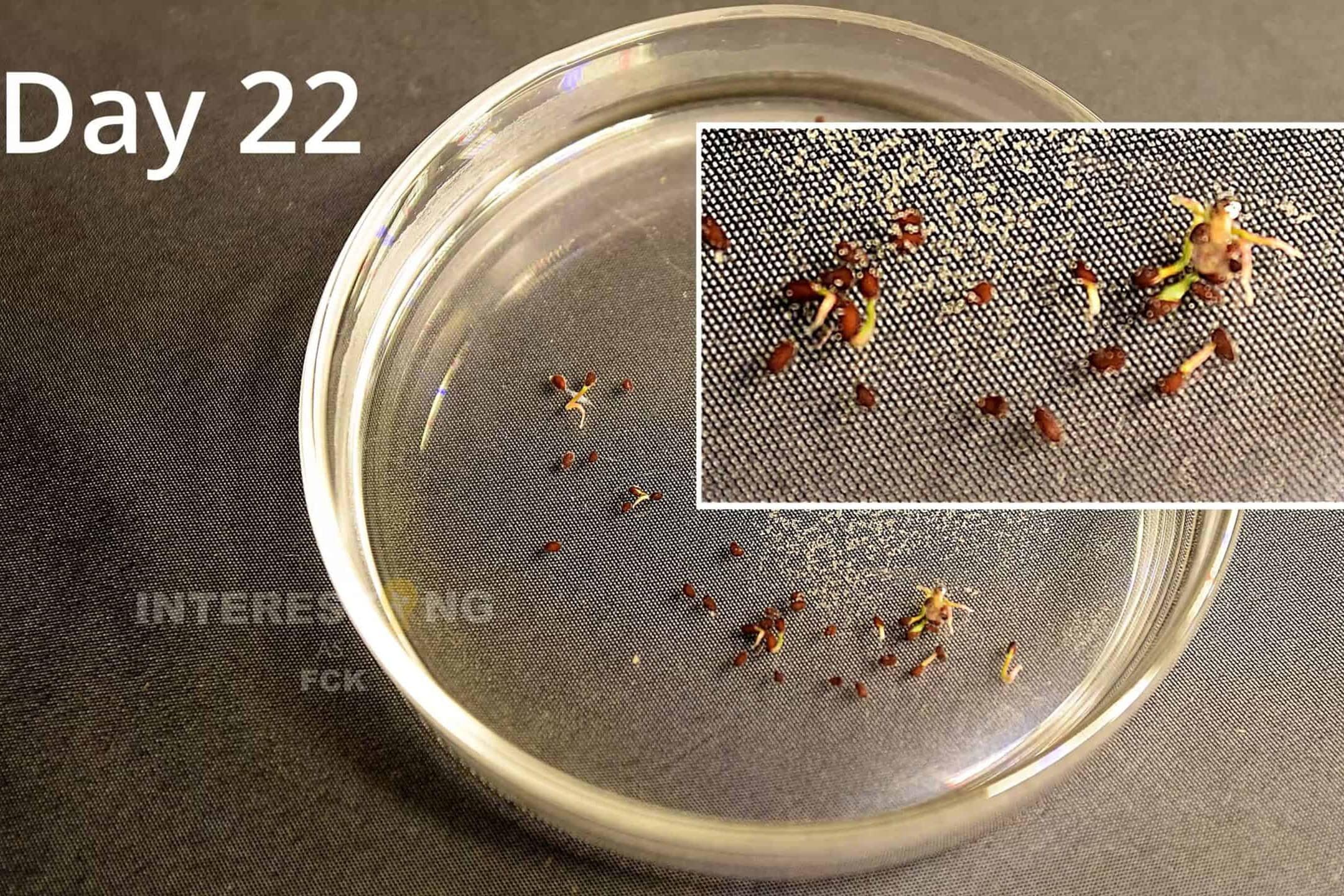
In my grow, the first seeds sprouted after about two weeks. Don’t panic if it takes a bit longer — blueberries are not the fastest germinators, but they’re worth the wait.
Step 3: Preparing the right soil for blueberries
Blueberries love acidic soil. For almost foolproof results, use an azalea or rhododendron potting mix (or any mix labelled for acid-loving plants) and improve it further with peat moss or pine bark.
- Ideal pH: 4.5–5.5
- Texture: loose, well-draining, but moisture-retentive
Once planted, the tiny seedlings only need a thin layer of soil on top so they can easily push through to the surface.
Step 4: Transplanting the seedlings
Once the seedlings reach around 10 cm in height, you can transplant them to a larger pot or directly into the garden, depending on your climate and space.
- Use a pot with good drainage holes.
- Keep using acidic soil — blueberries don’t suddenly decide to like neutral garden soil.
- Be gentle with the roots; they are fine and fibrous.
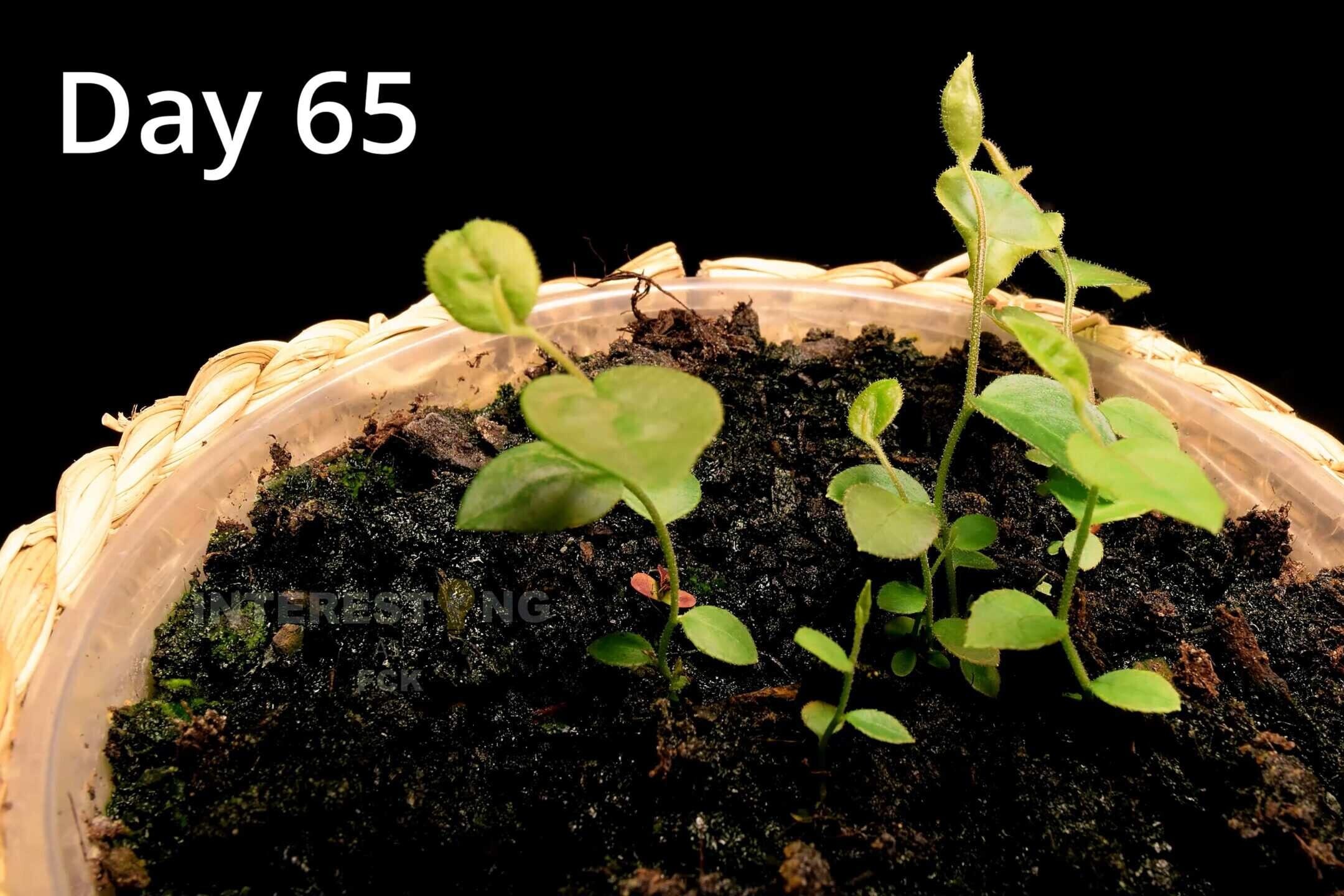
The photo above shows young blueberry seedlings after transplanting into individual pots. At this stage they still look small and delicate, but a good root system and the right soil will help them grow into strong bushes over time.
Step 5: Maturing and harvesting your blueberries
Blueberries grown from seed are a long-term project. Around two to three years after germination, your plants will be mature enough to produce flowers and fruit. From that stage on, regular pruning and checking on their growth keeps the bushes healthy and productive.
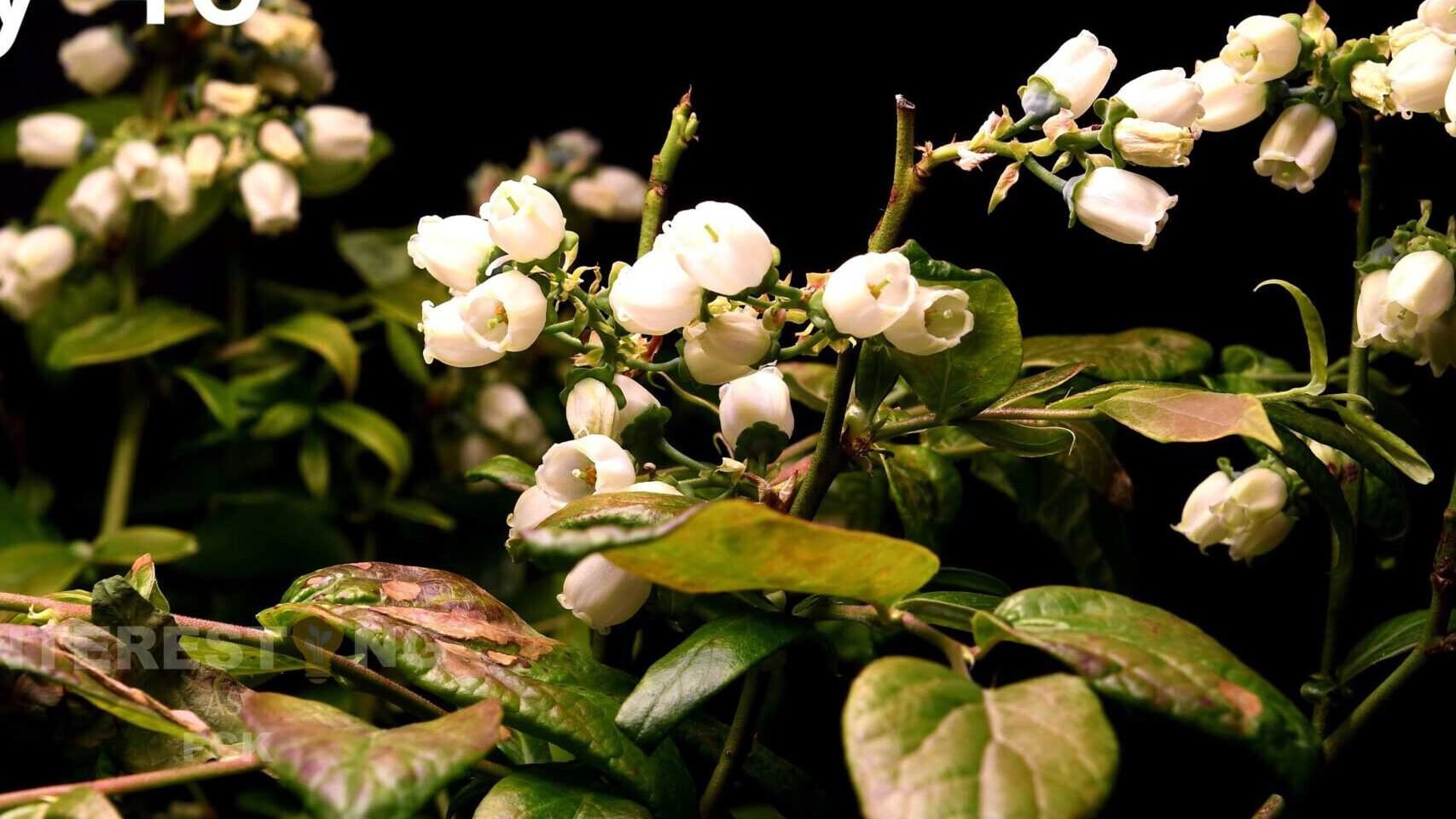
The blooming plant above is one of my seed-grown blueberry bushes, finally producing flowers and getting ready to set fruit. Seed-grown plants might not be identical to the original store-bought variety, but that’s part of the fun — you’re essentially creating your own little blueberry experiment.
Blueberry timelapse (video)
If you want to see the whole process in motion, from fruit to seedlings, here’s the timelapse:
Growing conditions for healthy blueberries
To keep your blueberry plants happy long term, you’ll need the right substrate, temperature, watering and light. Here’s a quick overview.
Substrate
Blueberries require acidic soil with a pH between 4.5 and 5.5. Incorporate peat moss or use an azalea or rhododendron potting mix to achieve the desired acidity. Pine bark or needles on top as mulch help maintain low pH and moisture.
Temperature
Blueberries grow best in temperatures from 60°F to 70°F (15°C to 21°C). Many varieties tolerate colder climates and even require a winter chilling period to produce fruit. Check which variety suits your climate zone.
Watering
Keep the soil consistently moist but not waterlogged. As a rule of thumb, aim for about 2.5 cm (1 inch) of water per week, from rainfall or irrigation. Mulching the surface helps keep moisture in and roots cool.
Light
Blueberries need full sun for the best fruit set — at least six hours of direct sunlight per day. In very hot climates, partial afternoon shade helps prevent heat stress, but too much shade reduces yield.
Glossary (for beginners)
- Acidic soil: soil with a low pH, usually below 7. Blueberries prefer a pH around 4.5–5.5.
- Mulch: organic material (like bark or wood chips) spread on top of the soil to keep moisture and protect roots.
- Chilling hours: period of cold temperatures many fruit plants need in winter to set flowers and fruit properly.
Want to read more?
For more detailed blueberry growing guides, see the University of Minnesota Extension guide and the RHS grow-your-own blueberries guide.
What I used
If you want to create your own plant timelapses, check out my complete plant timelapse setup guide, where I share my camera, interval settings and lighting.
If you enjoyed this blueberry experiment, you might also like
- Growing tomatoes from seed with a full timelapse.
- Growing broccoli from seed to harvest.
- My Monstera care guide — perfect for houseplant beginners.
Yes. You can grow blueberries from the seeds inside store-bought fruit. It takes patience and the plants might not be identical to the original variety, but you can absolutely grow healthy bushes this way.
Expect 2–3 years from seedling to first harvest. Blueberries are a slow, rewarding project rather than a quick win.
Some varieties are self-fertile, but having more than one plant usually improves pollination and gives better yields.
Yes, blueberries do very well in containers as long as the pot is big enough, the soil is acidic, and you keep up with watering.
Buying a potted plant is much faster. Growing from seed is mainly for fun, experimenting and learning — and for people who enjoy the long game.